A Home Becomes a Touchstone
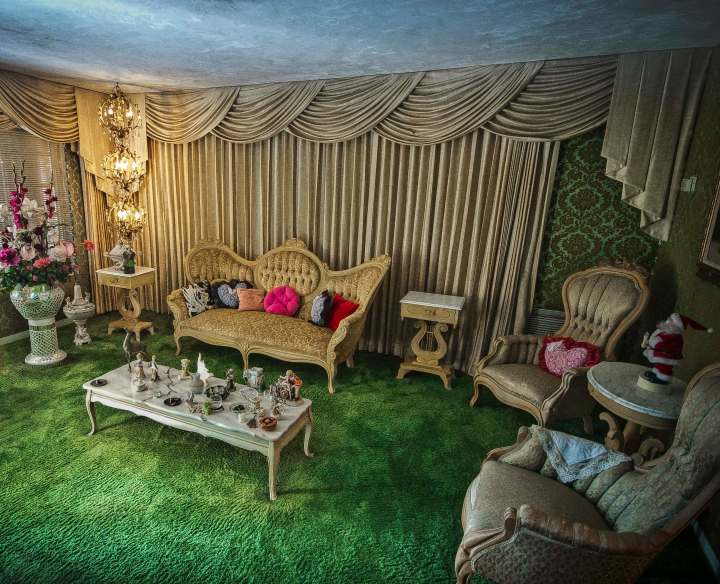
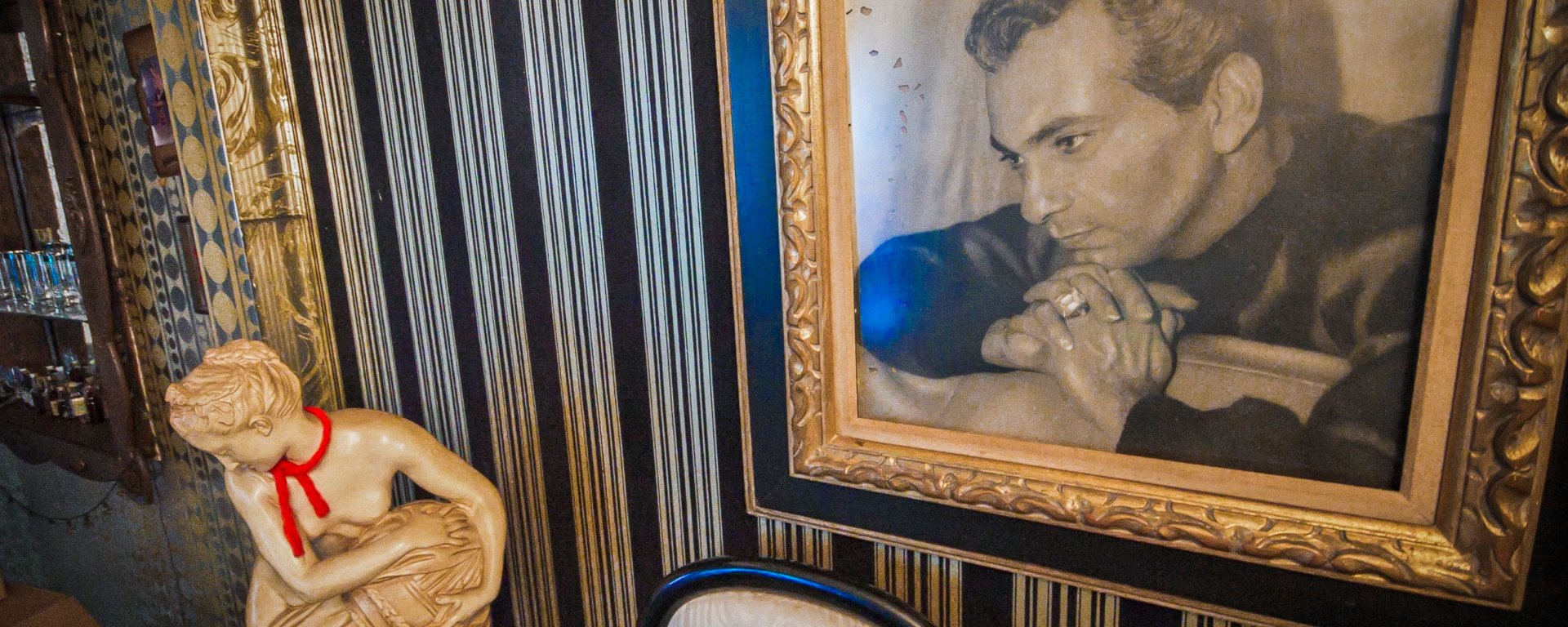
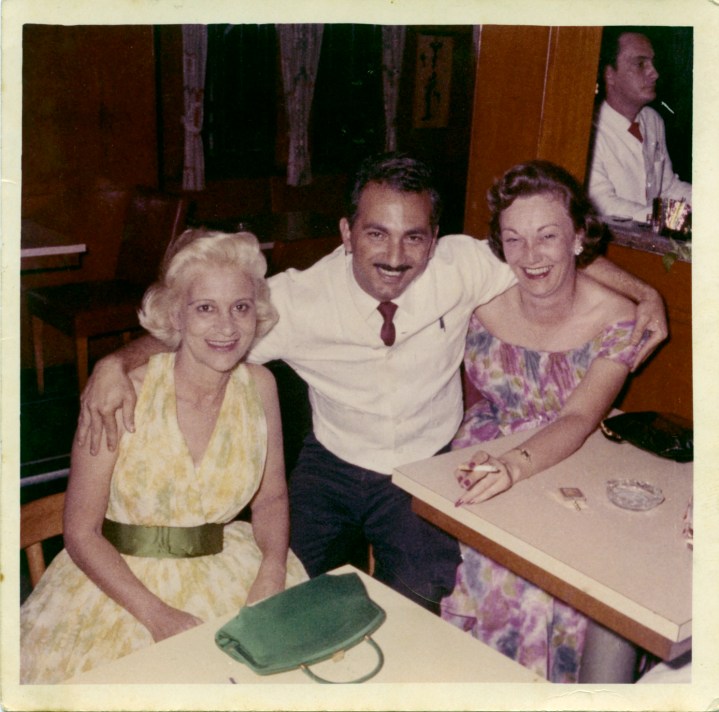
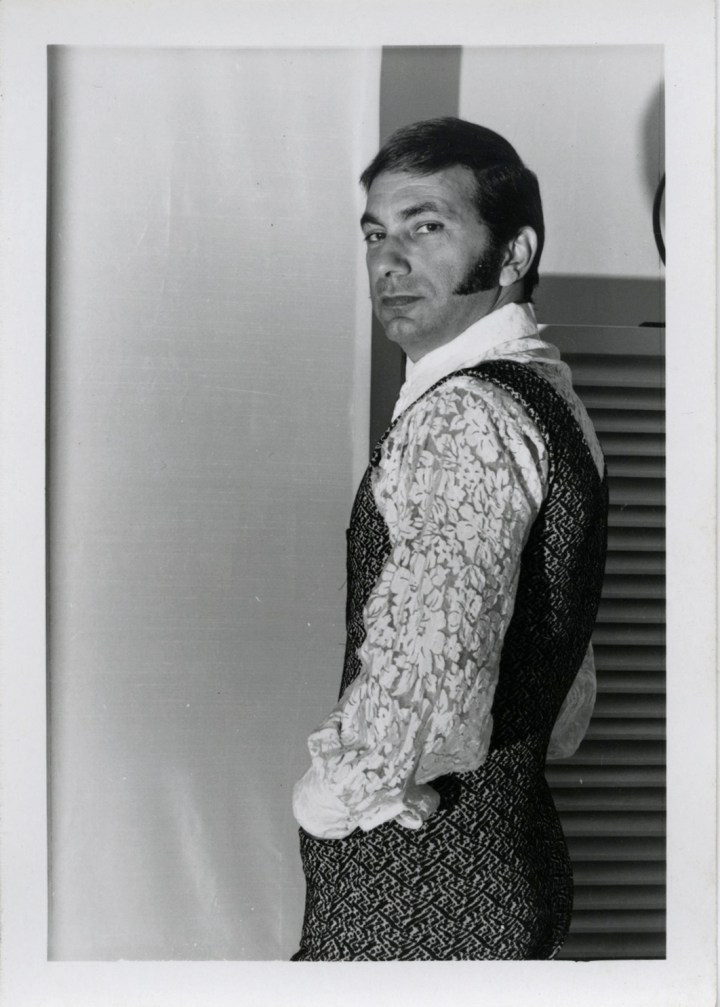
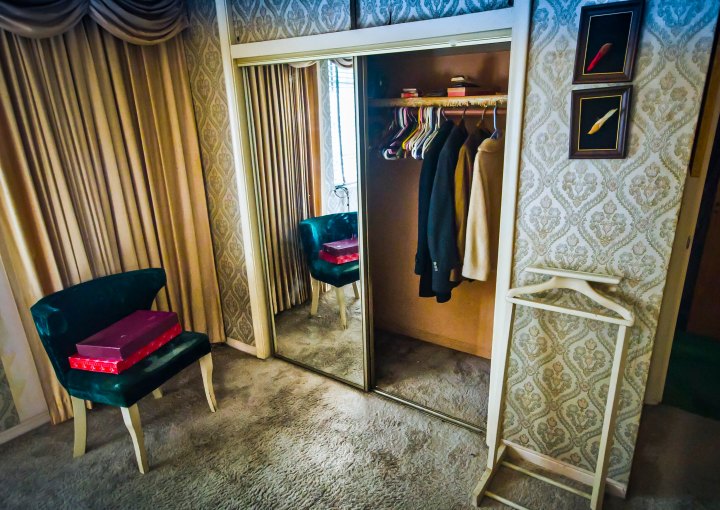
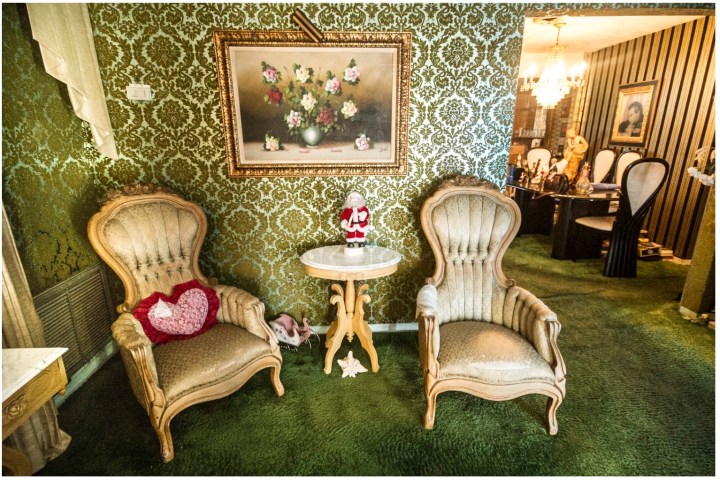
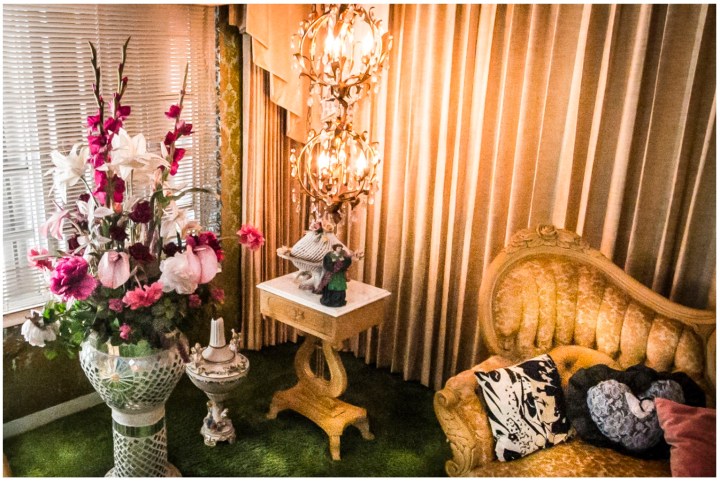
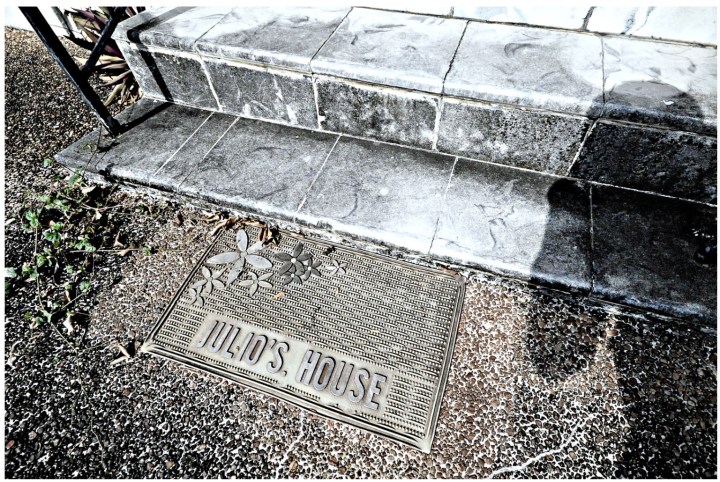
The colorful photographs in Julio’s House show us extravagant, Liberace-inspired interior living spaces within a modest Miami house. We see scenes of a very personal setting, but devoid of people. The only people shown in the book are in vintage photographs taken of Orestes Gonzalez’s uncle Julio, his uncle’s friends and lovers, and his life as a cruise ship entertainer. Julio worked as a magician, tour guide and entertainer aboard a ship that took tourists between Miami and Cuba before Castro took power in 1958.
Current images of Julio‘s house are juxtaposed with vintage photographs of the same rooms and largely unchanged decor from over 30–40 years ago. The bitter-sweetness is palpable. How does Gonzalez come to terms with the loss of a family member who was somewhat estranged by his family, and put it all into context while sorting through his belongings and walking through Julio’s personal spaces?
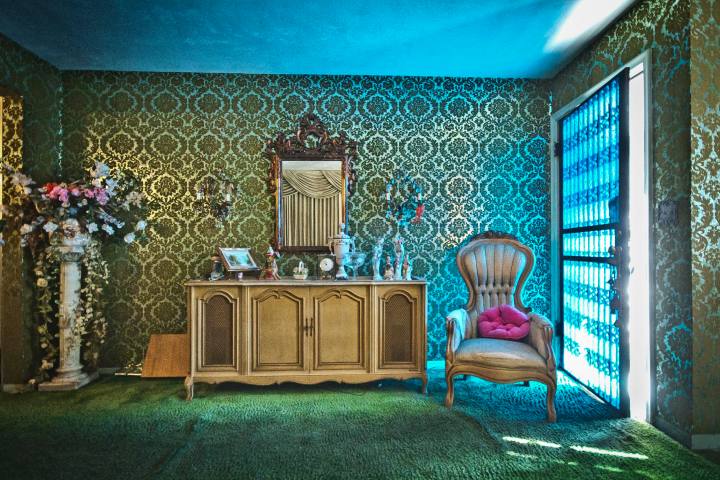
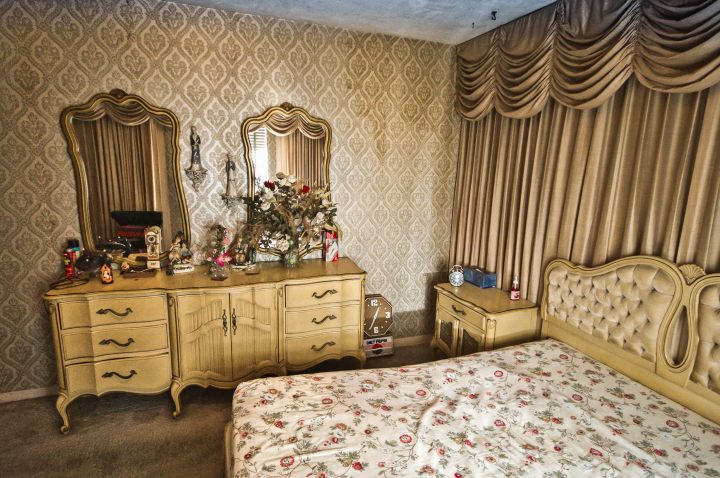
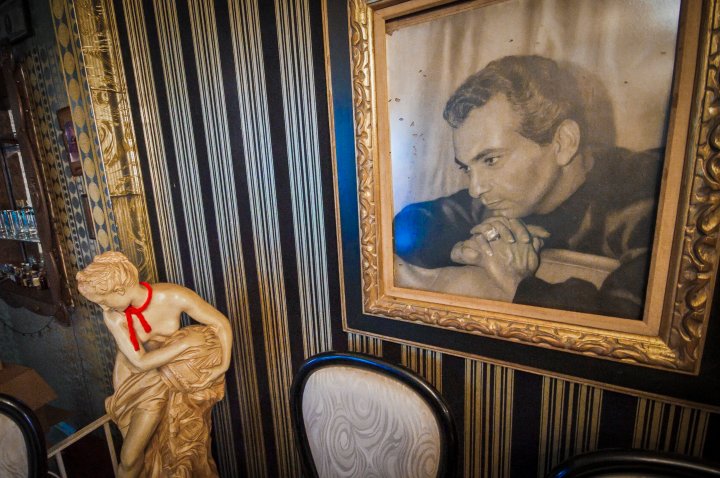
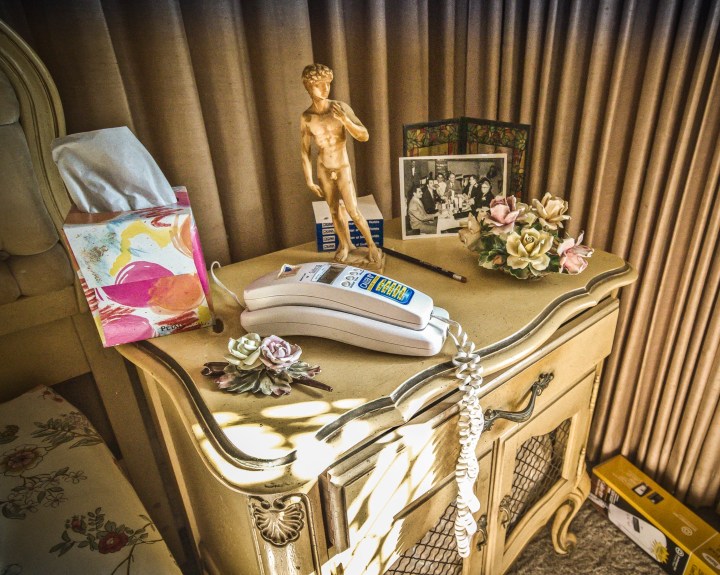
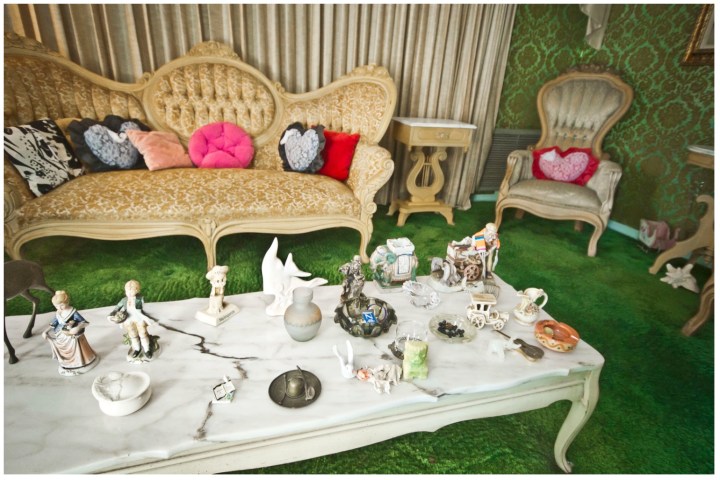
When I first saw photographs of this project almost a year ago, I recognized the importance and the weight of responsibility for photographing spaces that belonged to a significant person in one’s life. Gonzalez’s photos include rooms that feature knickknacks, reading material on a side table, and all the ephemera that were in place while his uncle was living in his home. So the photographs are part document, part remembrance. It is a potentially revealing and rewarding endeavor to explore the themes that come from this process, decipher meaning from all of it, and try to understand it.
I had the opportunity to photograph my grandparents house while they were both living. I went through their house with a large format camera and took careful photographs of each room. The images were originally taken as a documentary study of where they lived. Looking at those photographs over twenty years later, they have transformed into vignettes of spending time in the house as a child. When I asked Gonzalez about the images in his own project, which was developed into this wonderful book, he said, “They lasso you in to a reality, away from incorrectly fantasizing over a period of time or a place. My intent with the story was to shatter the stereotype of the gay man (that my generation grew up with) as just an effete, and not family orientated individual.”
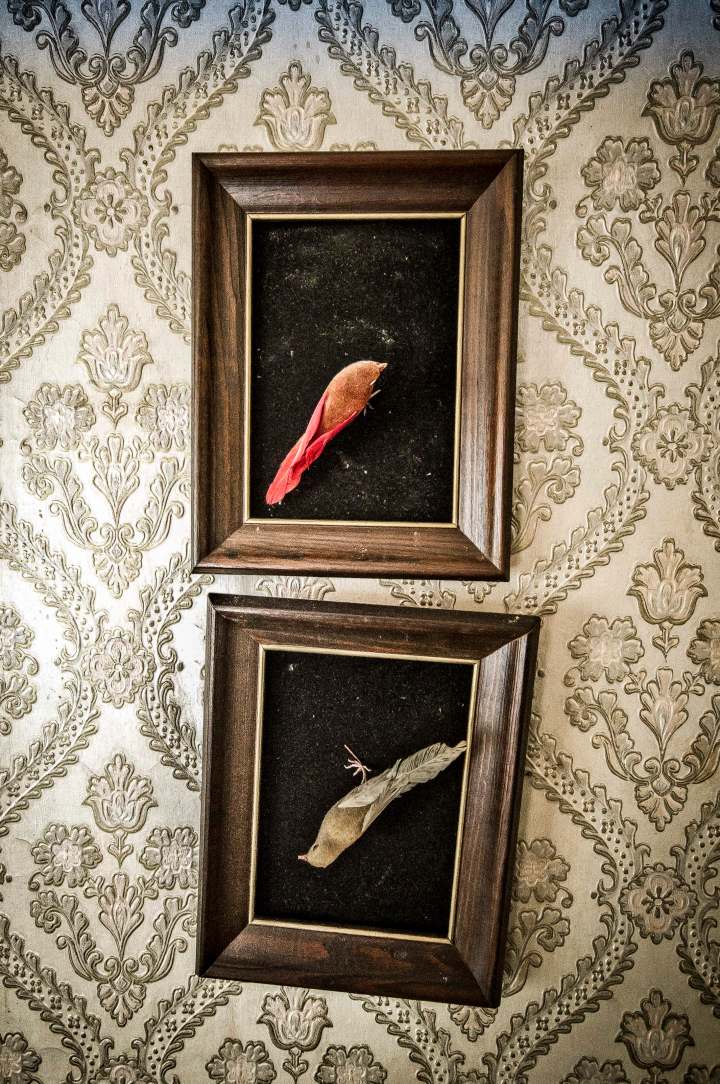
Gonzalez’s text throughout the book is well paced with the images chosen. The interior scenes of the house are counterbalanced with personal photographs or close-ups of a setting that give us a real feel for what it was like to be in the home. We see the rooms, how they are decorated, personal effects on shelves and side tables, stuffed birds attached to black velvet in picture frames, striped foil wallpaper in the dining room and green shag carpet in the front room. Bright daylight floods the rooms in his images — a stark contrast to the nightlife chronicled in some of the text describing evening parties with energetic music, dancing, and Cuban food that went straight to the gut and soul of the merry-makers in Julio’s house.
Essay by Roula Seikaly
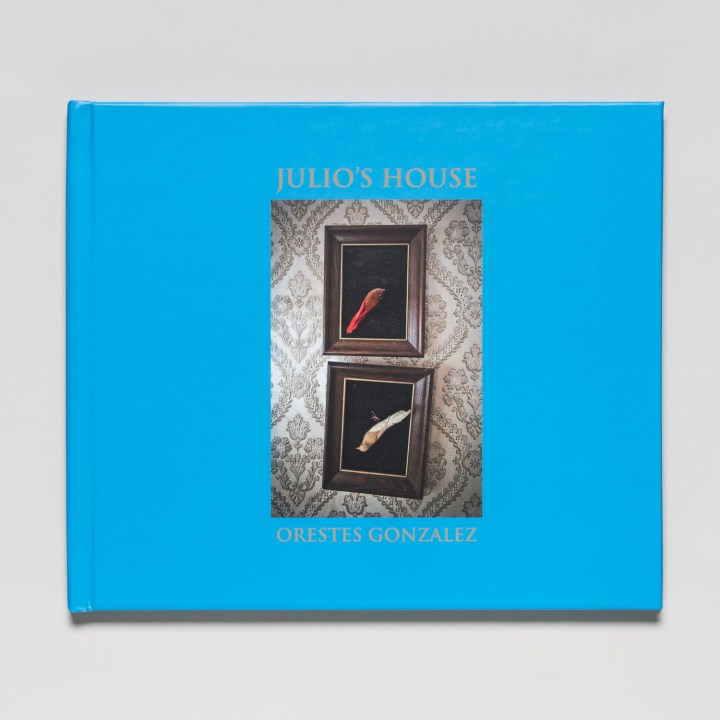
10 x 8.5″ perfect-bound, hardcover
60 pages
Limited edition of 400
Julio’s House is published by Kris Graves Projects, and can be purchased online at http://www.krisgravesprojects.com/store/julioshouse. For people who want to buy a copy at the only bookstore in New York that carries it, get info at the website for Printed Matter, Inc.
Julio’s House received much deserved attention and accolades in 2017. Notably, the book was bought by The Metropolitan Museum of Art (New York) as part of their book collection in the Thomas J. Watson Library, and the images have been picked up by The Fredric Snitzer Gallery in Miami. The opening date for the show “Julios House”, at the Fredric Snitzer Gallery is Friday April 6th, 2018.
To see more work by Orestes Gonzalez, please visit his website at http://orestesgonzalez.com or read our interview in F-Stop Magazine here or on Medium here.
 Wobneb Magazine
2 thoughts on “Julio’s House by Orestes Gonzalez”