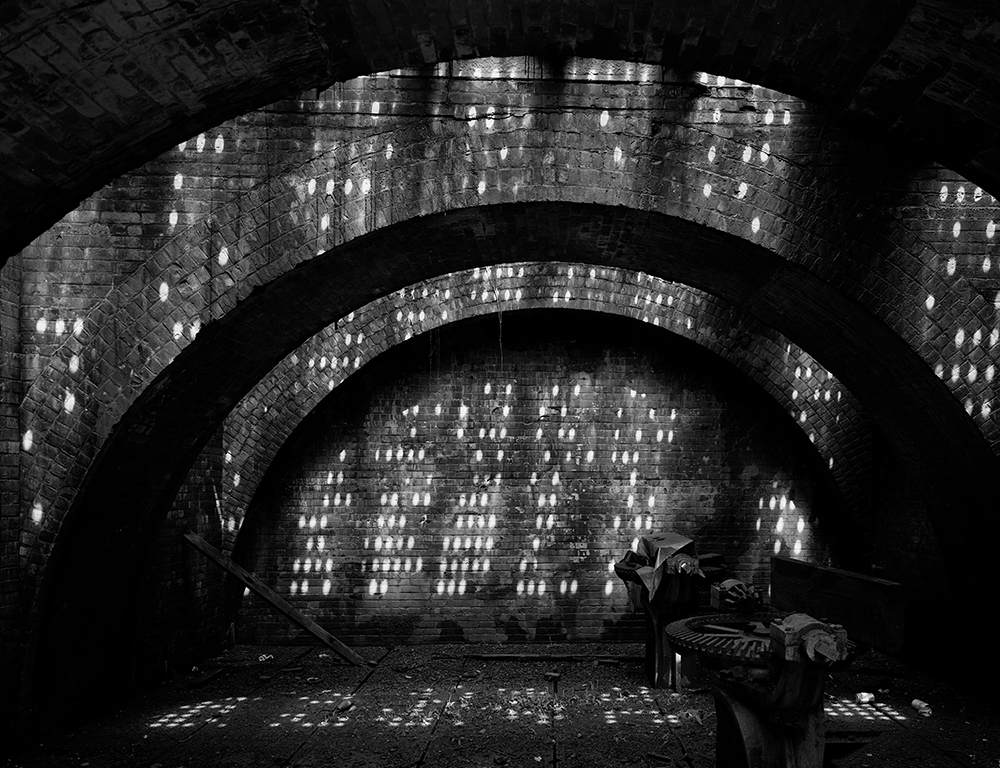
Waterworks by Stanley Greenberg is a sweeping photographic portrait of New York City’s water system, featuring 362 black and white images made between 1992 and 2024.
Over three decades in the making, the book traces the often-invisible infrastructure that brings water into and out of the city: reservoirs, aqueducts, tunnels, gatehouses, pumping stations, water tanks, wastewater treatment plants, stormwater facilities, and maintenance covers. A fold-out map charts more than 400 locations from upstate to the outer boroughs, grounding the work in geography and scale.
While working at the Department of Environmental Protection (DEP), Greenberg saw the city’s water systems up close and later returned to help catalog the agency’s long-neglected archives — an extensive collection of 10,000 photographs and drawings dating back to 1840. Around that time, he began working on Invisible New York, a book that featured some of the city’s concealed water structures. Greenberg asked repeatedly for permission to photograph the city’s water system but was denied for years. Access was finally granted in 1997, and he completed the work in 2001 — just months before the 9/11 attacks shut down access to City infrastructure for good. Waterworks was first published in 2003. DEP tried to block its release but later purchased 200 copies.
“Stanley Greenberg has been photographing New York’s hidden infrastructure for … years. The result is a haunting film noir of the corroded, undermaintained machinery—bridge supports, turbines, water valves—that still does its best to make the city tick.”
—Herbert Muschamp, architecture critic for The New York Times
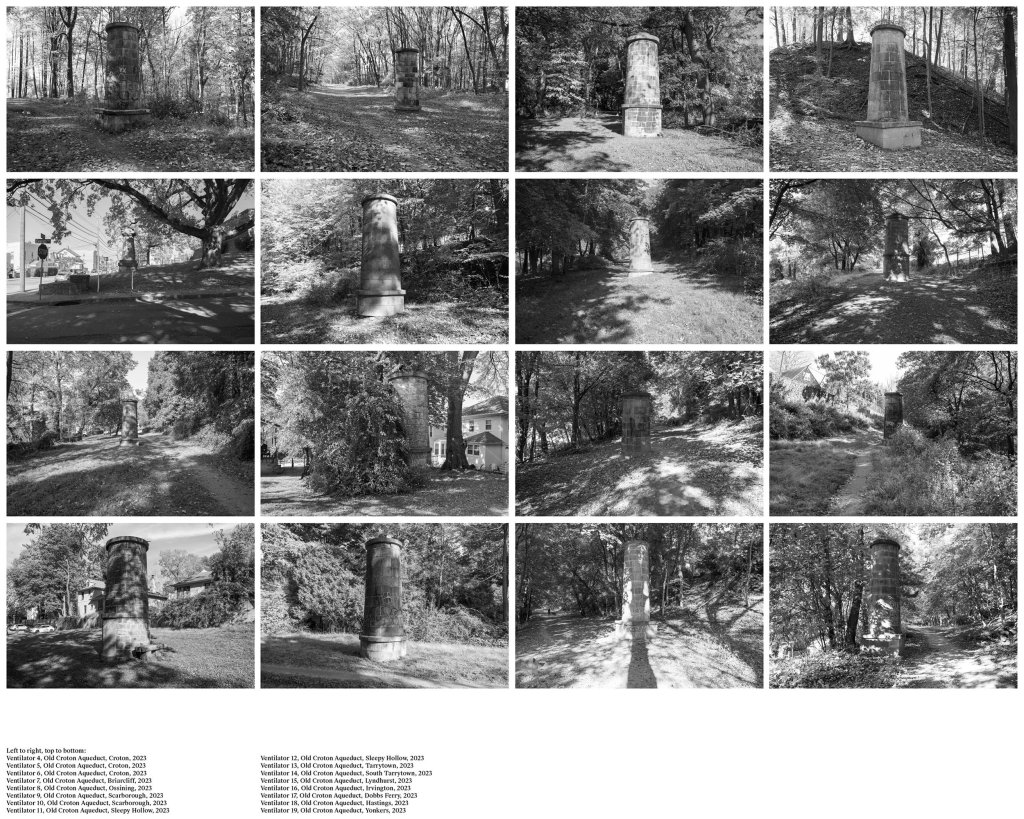
Though Waterworks was published in 2003, Greenberg’s exploration of the system didn’t end there. After publishing several other books he returned to photographing water infrastructure around the city, looking for above-ground signs of the water system hidden in plain sight; invisible to the casual observer. Studying city planning documents, property records, old and new maps, he walked the routes of the three water distribution tunnels and biked some of the upstate aqueducts.
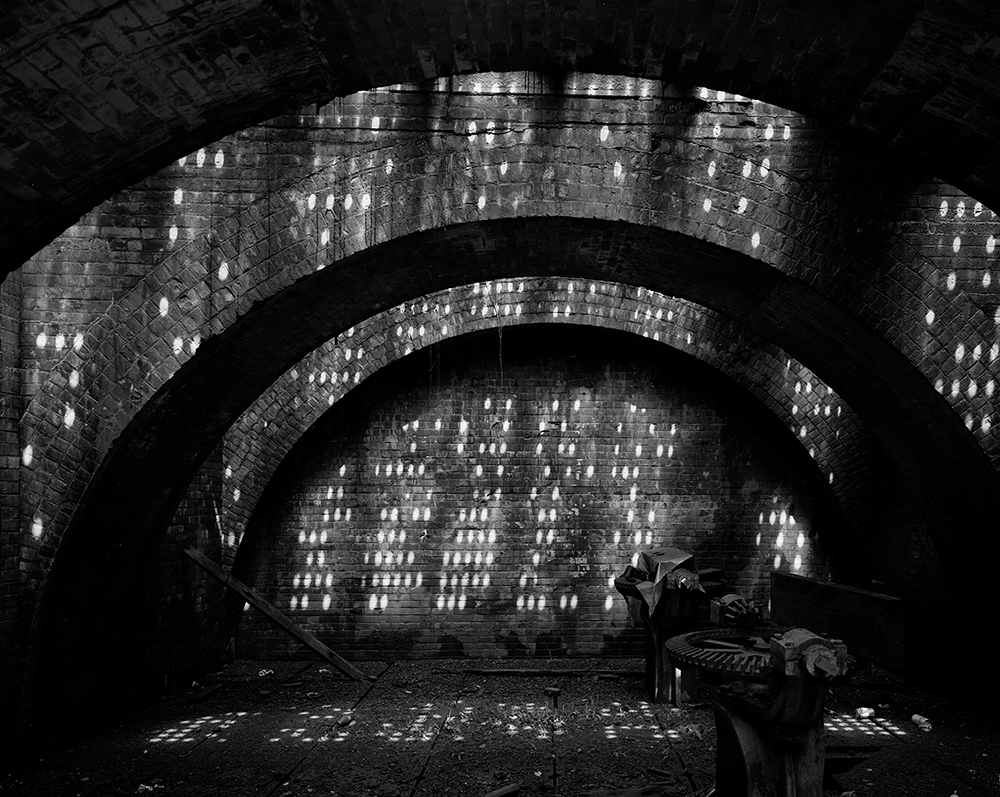
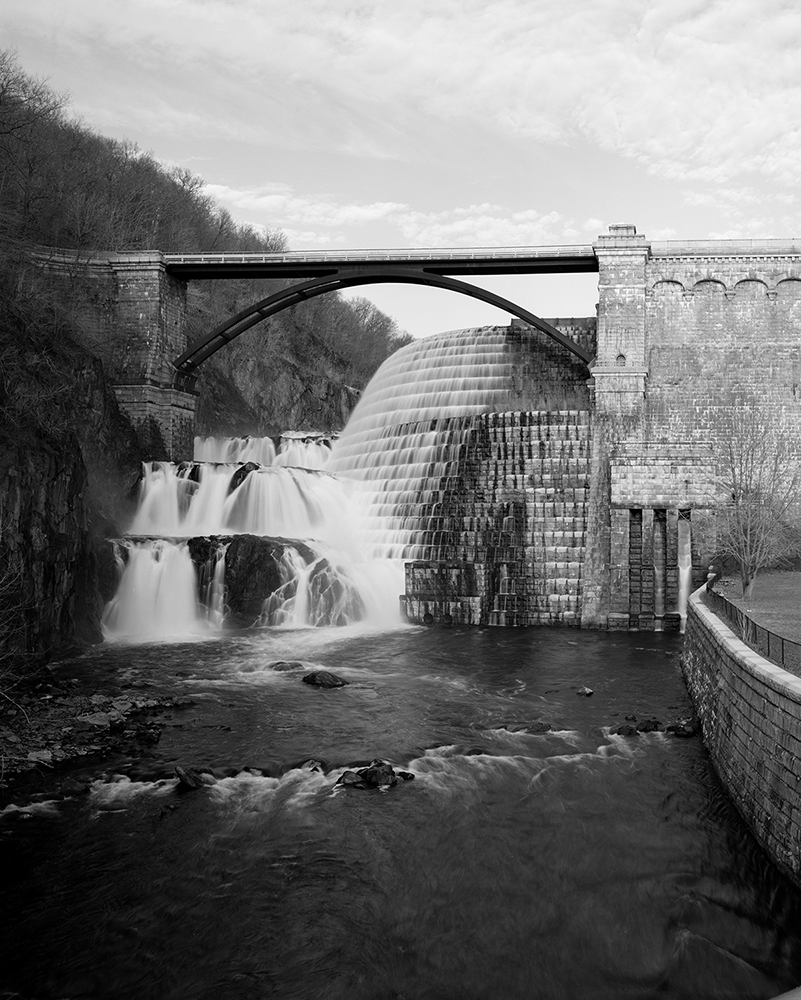
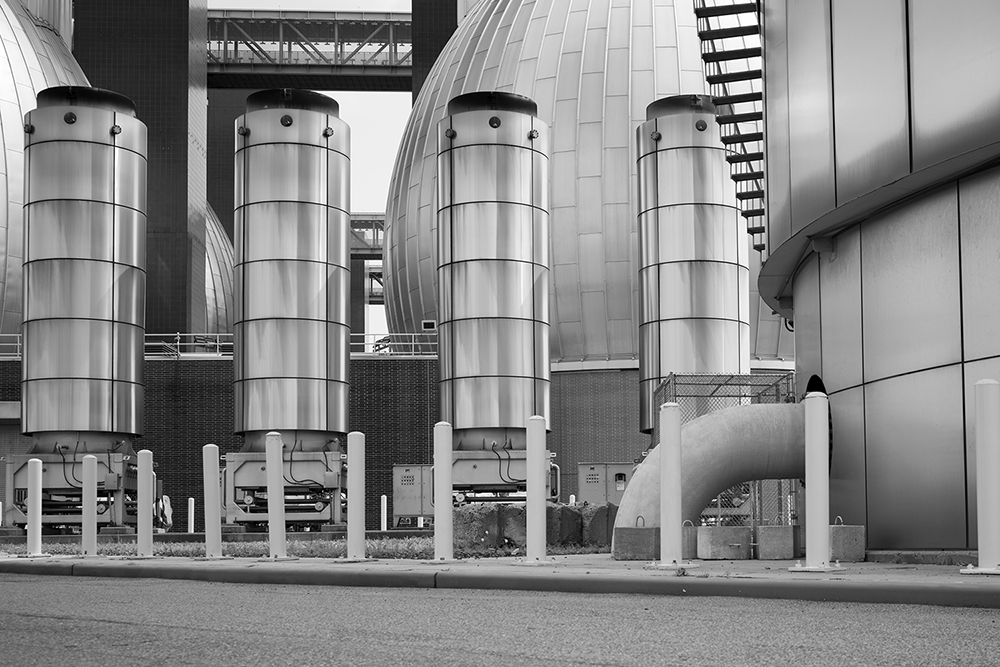
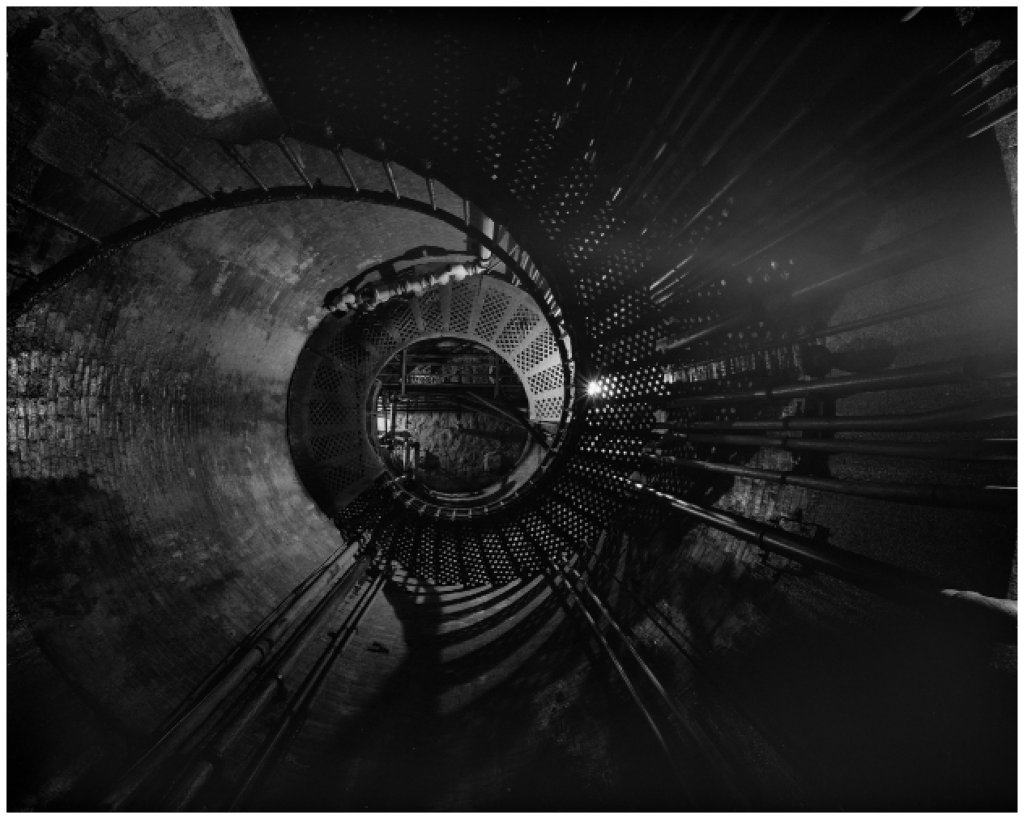
The photographs themselves are a mammoth undertaking — an endeavor that matches the scale of the system they depict. Rendered in crisp, large-format black and white, the images reveal the majesty of monumental sites like the Croton Dam, High Bridge Tower, Neversink Stilling Basin, and Shandaken Tunnel, alongside soaring conduits, vast chambers, and the elegant geometry of giant pipes. Greenberg’s style is at once rigorous and reverent, offering a visual language that honors the ambition and beauty of these man-made structures.
Accompanying the book is a printed map, designed by Larry Buchanan, that charts more than 400 sites across the city and upstate. A more detailed version is available online at bit.ly/3Wz1tQ6, serving as a free, public field guide to the system. While the printed map offers refined design and visual clarity, the online map includes greater location detail. Together, they reflect Greenberg’s decades-long effort to document the full reach of New York’s water infrastructure — like the water system itself, it is a work in progress.
“New York City’s water system is vast and complex,” Greenberg writes, “but it can be divided into just a few functions: collection, conveyance and distribution, and treatment.” The water collects in 18 reservoirs from rain and snowmelt, travels to the city through aqueducts, and is stored in three large reservoirs before reaching the city. There, it is distributed via three tunnels to water mains, smaller pipes, and eventually into every city building. Wastewater, along with rainwater, travels through sewers to treatment plants, and then reenters the waterways around the city, evaporating back into the atmosphere.
Though rooted in documentary practice, Waterworks also offers a meditation on access, labor, and the often-hidden systems that undergird civic life. Greenberg invites us to see infrastructure not just as a physical system, but as a reflection of political will, public investment, and collective memory. The book is a record of a system and a city, both in constant flux.
Stanley Greenberg (b. Brooklyn, NY) has been photographing the built environment since the early 1980s. He is the author of Invisible New York, Olmsted Trees, Springs and Wells, CODEX: New York, Time Machines, and Under Construction. Greenberg has had solo exhibitions at the Art Institute of Chicago and the MIT Museum, and his photographs have been exhibited at the Metropolitan Museum of Art and the Whitney Museum of American Art.
Greenberg’s work is in the collections of the Yale Art Gallery, Los Angeles County Museum, the Museum of the City of New York, and New York Public Library. He is a recipient of the Guggenheim Fellowship and grants from the Alfred P. Sloan Foundation, National Endowment for the Arts, New York Foundation for the Arts and New York State Council on the Arts. Greenberg’s work will be included in the Brooklyn Artists Show at the Brooklyn Museum in 2024.
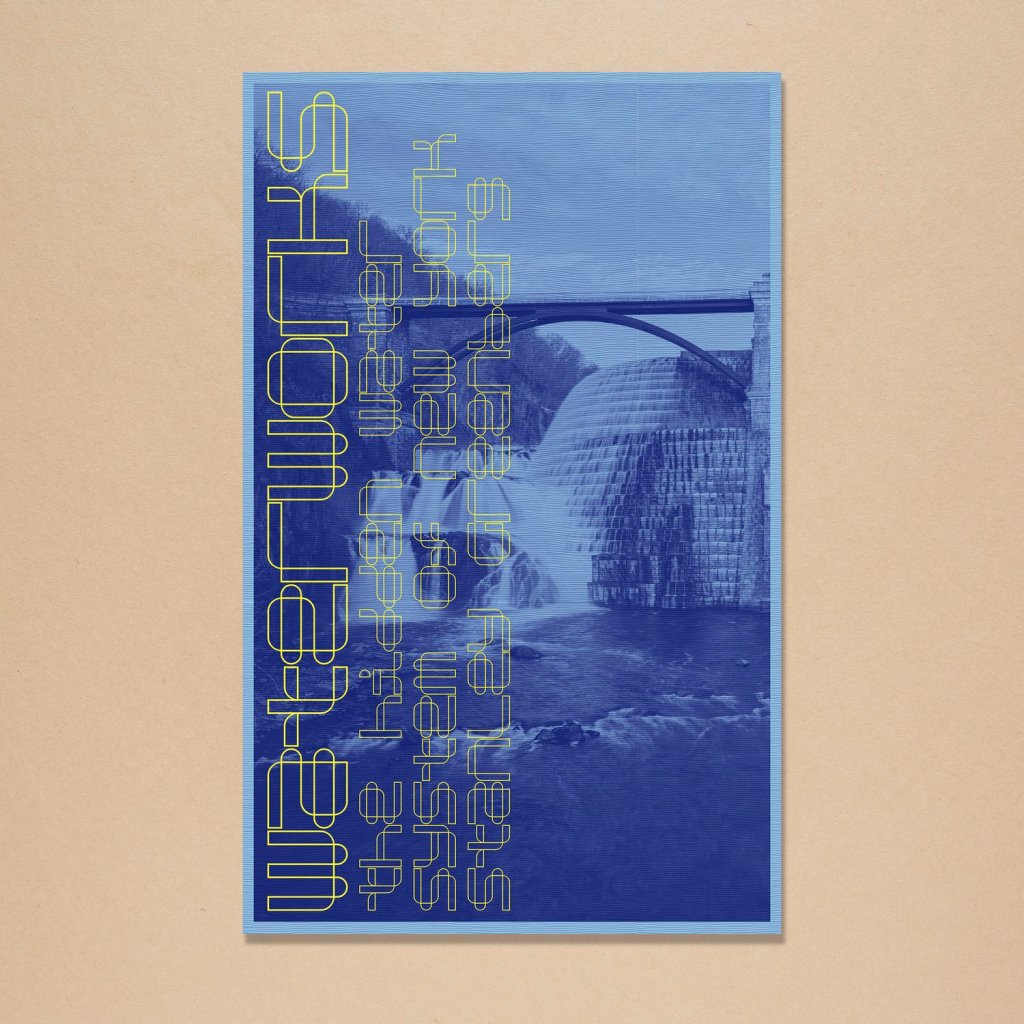
Waterworks: The Hidden Water System of New York
Photographs and text by Stanley Greenberg
Edit by Kris Graves
Design by Caleb Cain Marcus | Luminosity Lab
Map by Larry Buchanan
Published by Kris Graves Projects (May 2025)
Swiss-bound hardcover
128 Pages, 8 x 12.5″ vertical
18 x 24″ double-sided offset map
Please see KGP+ site to order and select from four different versions of this book plus prints – https://www.krisgravesprojects.com/book/waterworks-new-york
 Wobneb Magazine