A War on Poverty vs. A War on the Poor
In a culture where images circulate at light speed and context evaporates almost as soon as it appears, sustained attention has become a rare gesture viewers give to photographs. Much of what we encounter visually arrives as fragments — emotionally loud, structurally brief, and designed for replacement. Jim Mortram’s Small Town Inertia moves in the opposite direction.
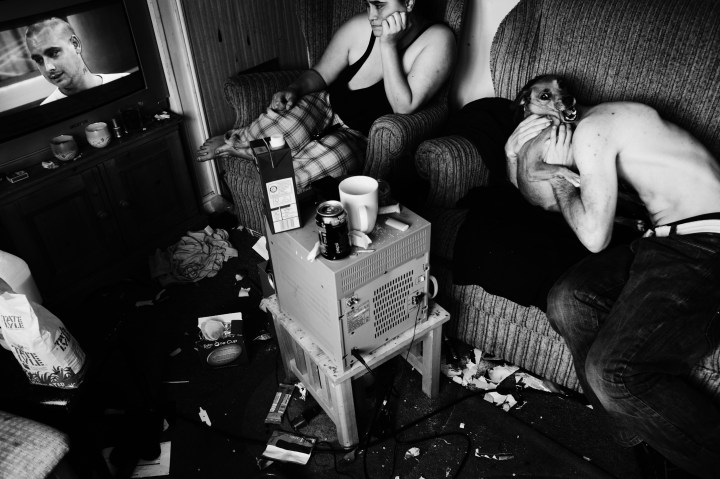
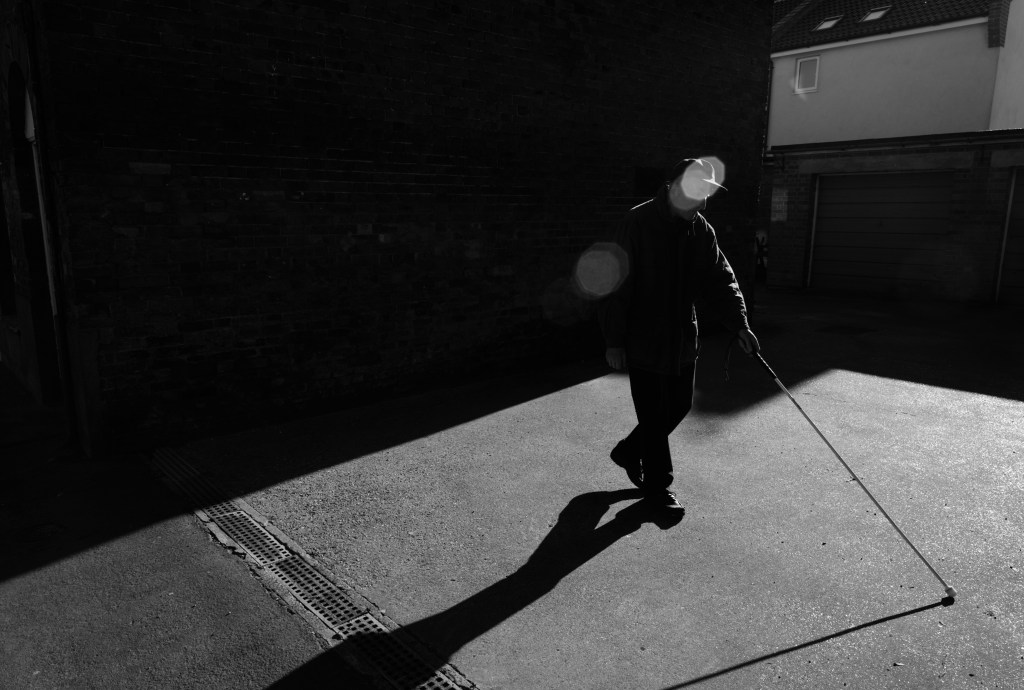
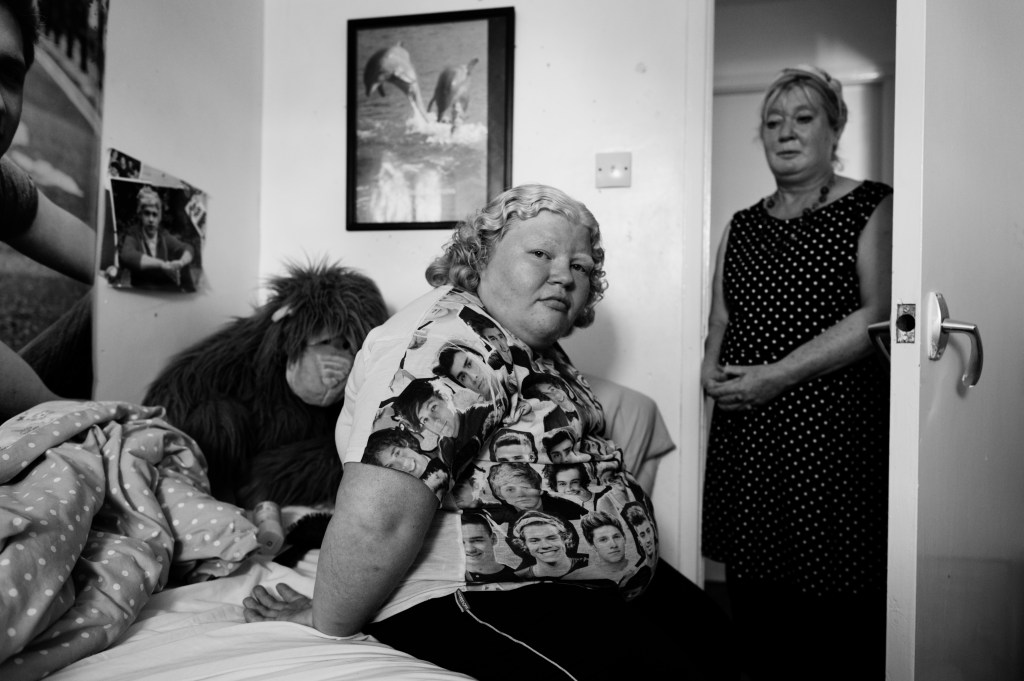
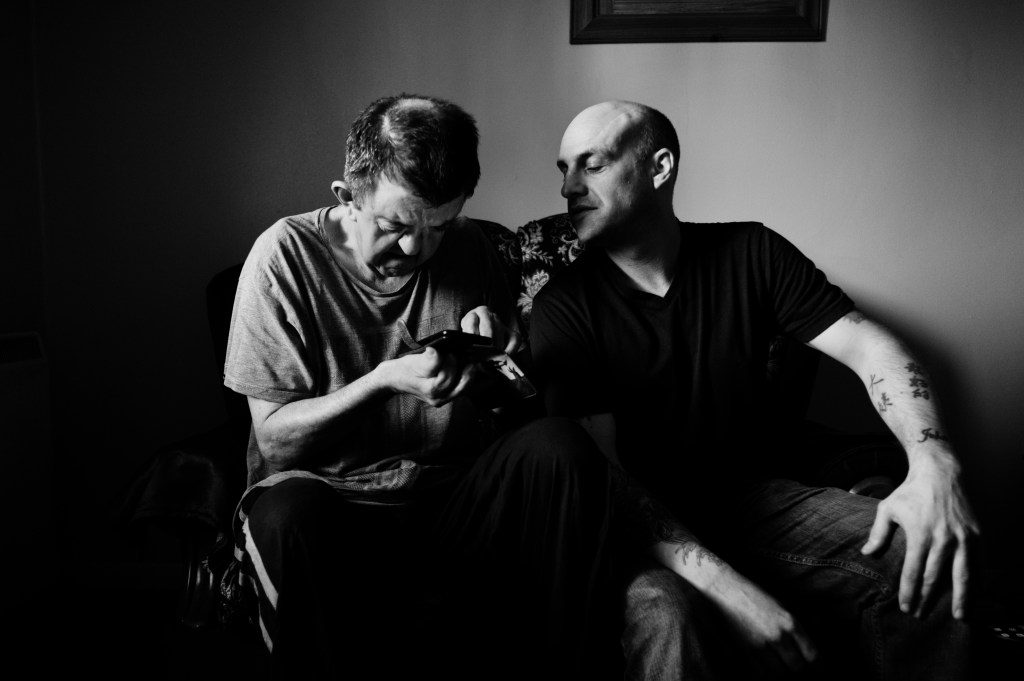
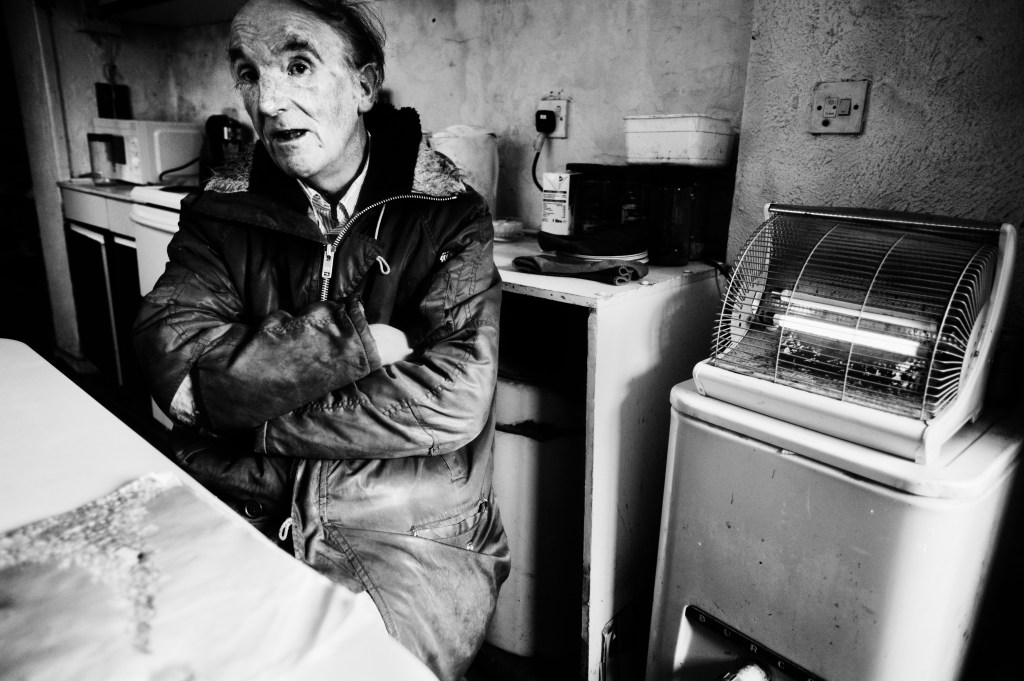
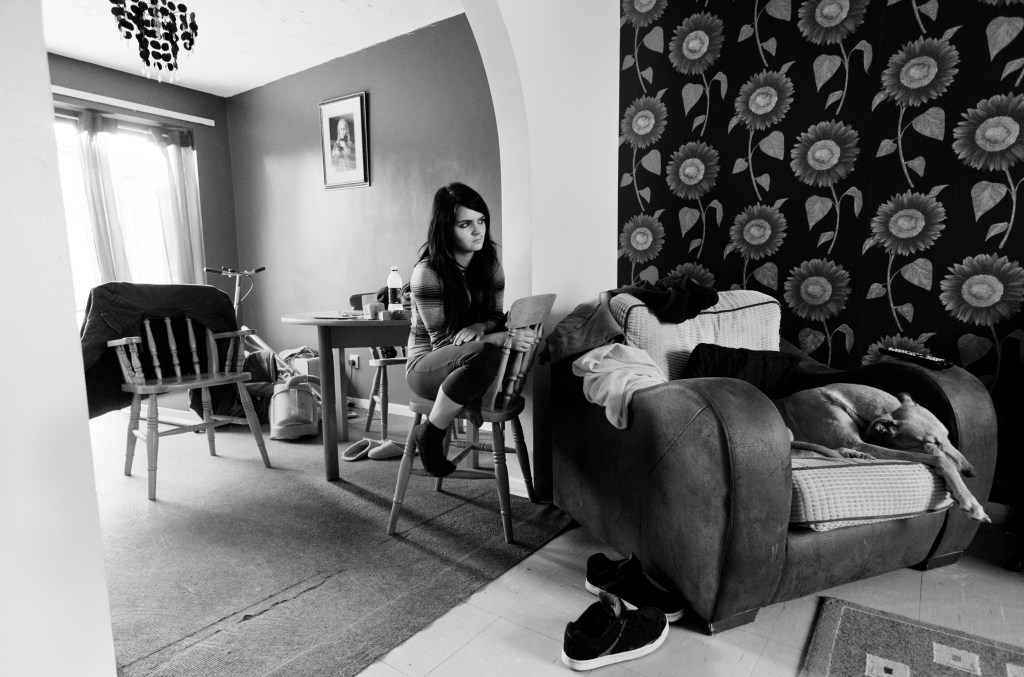
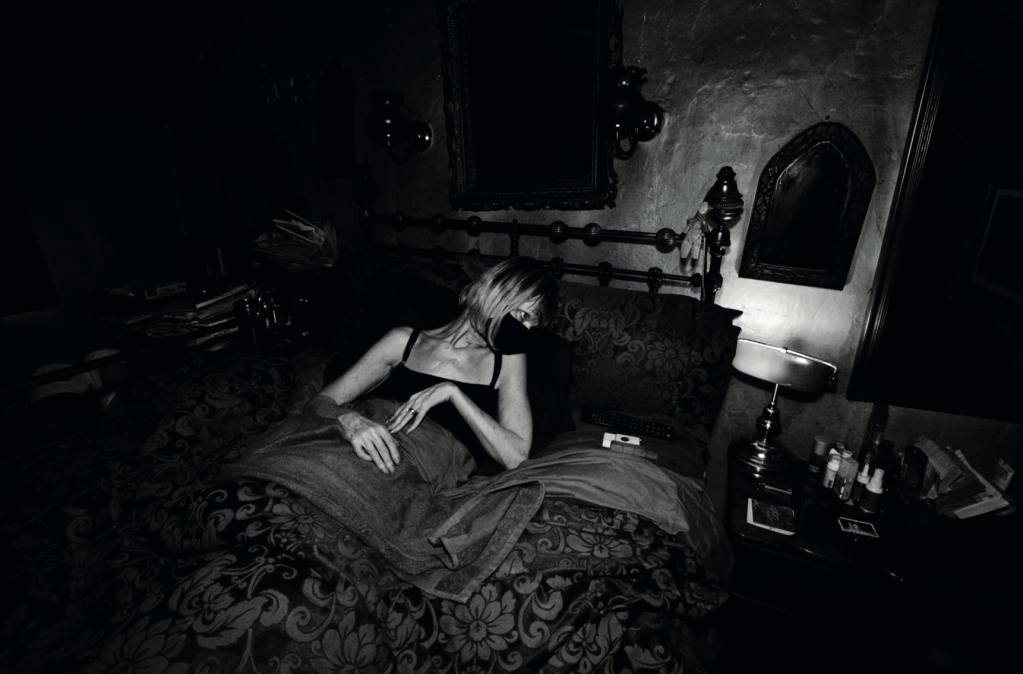
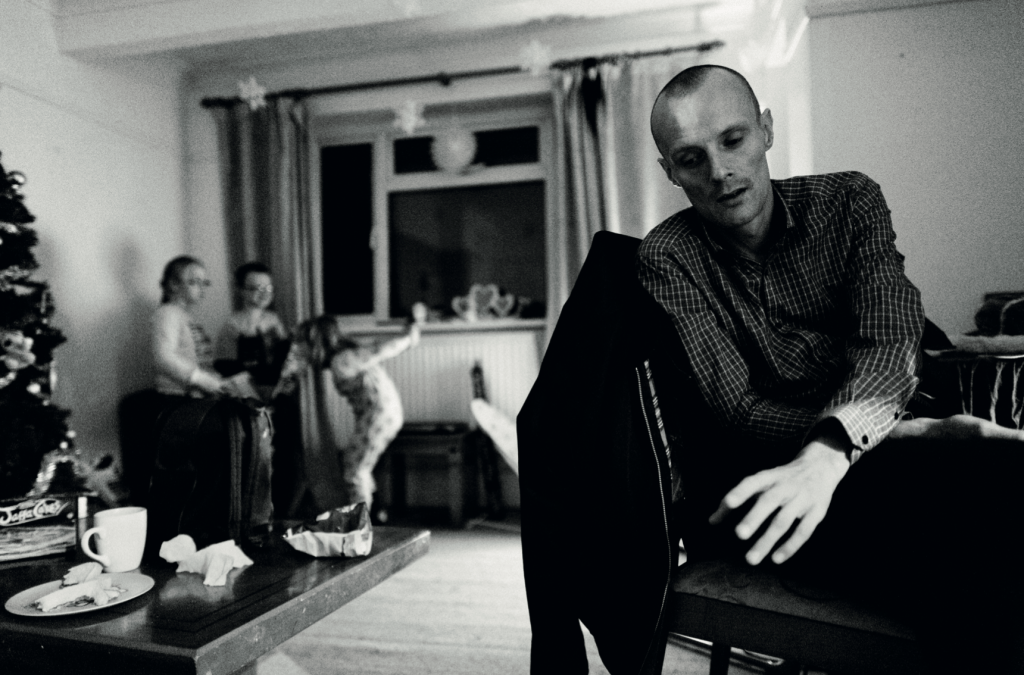
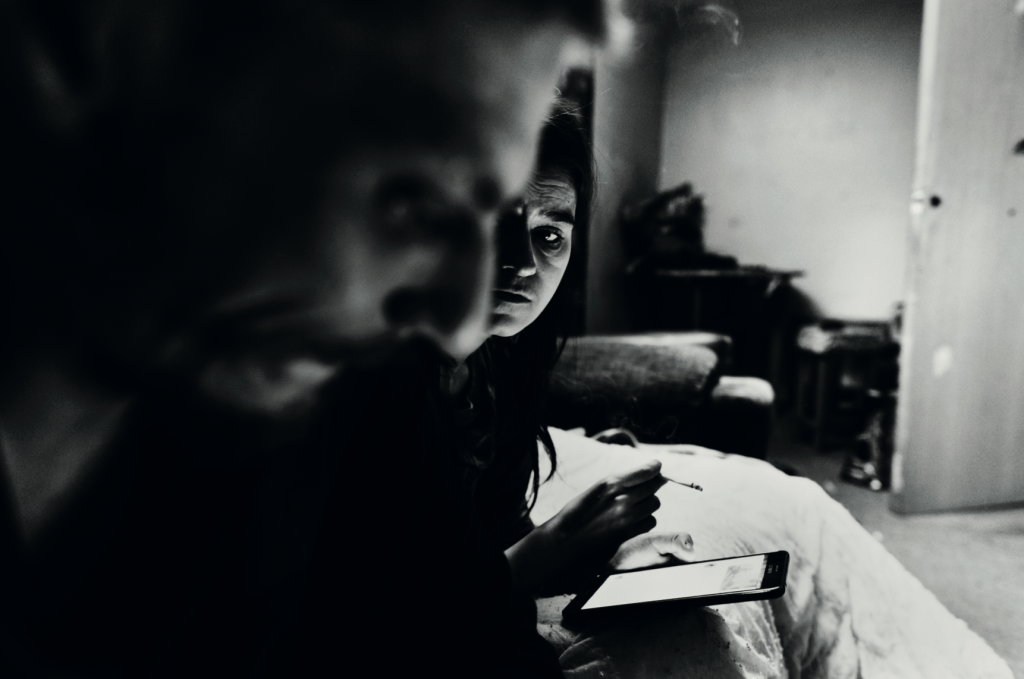
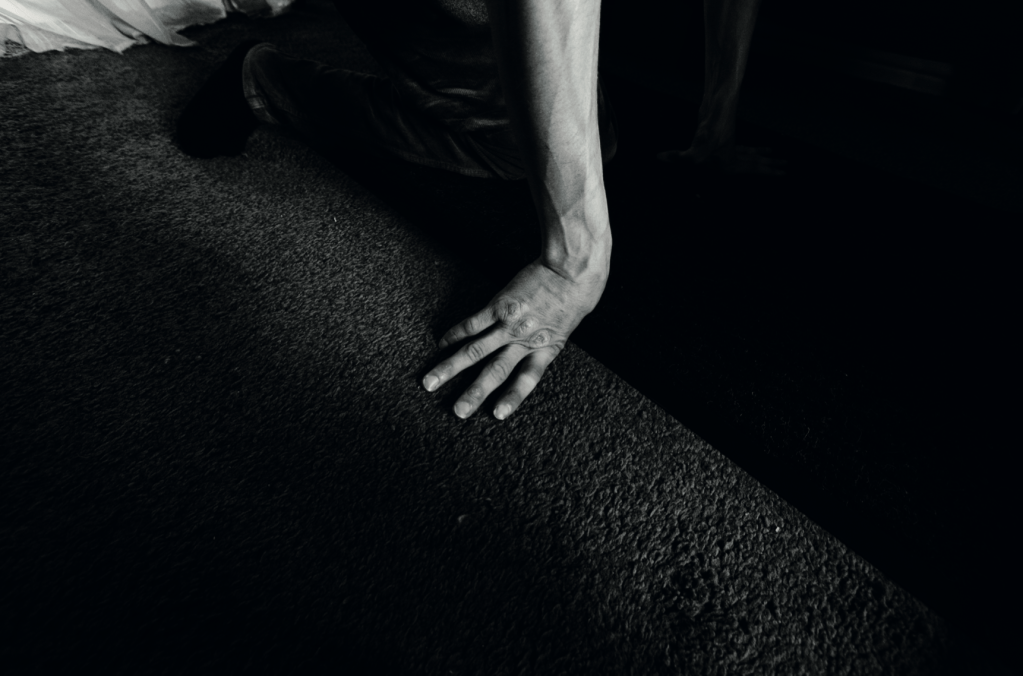
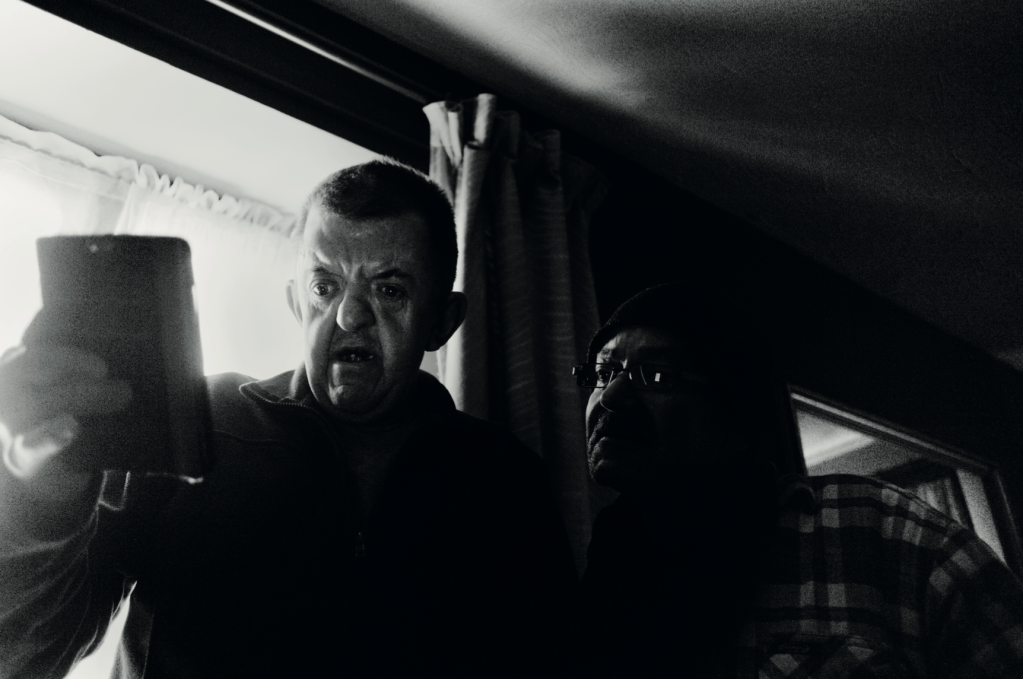
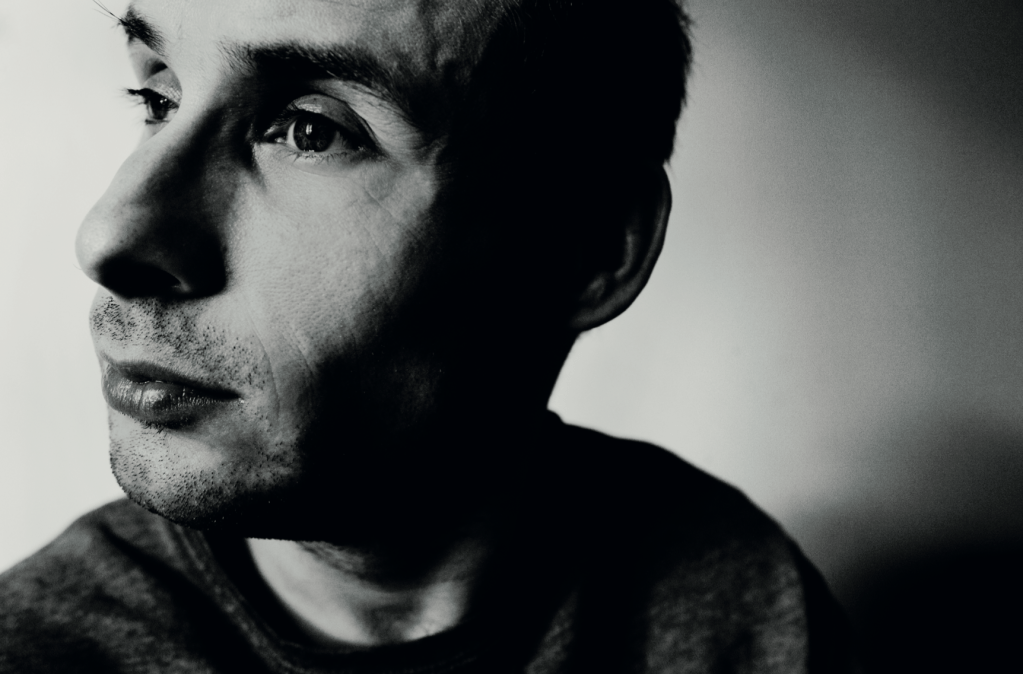
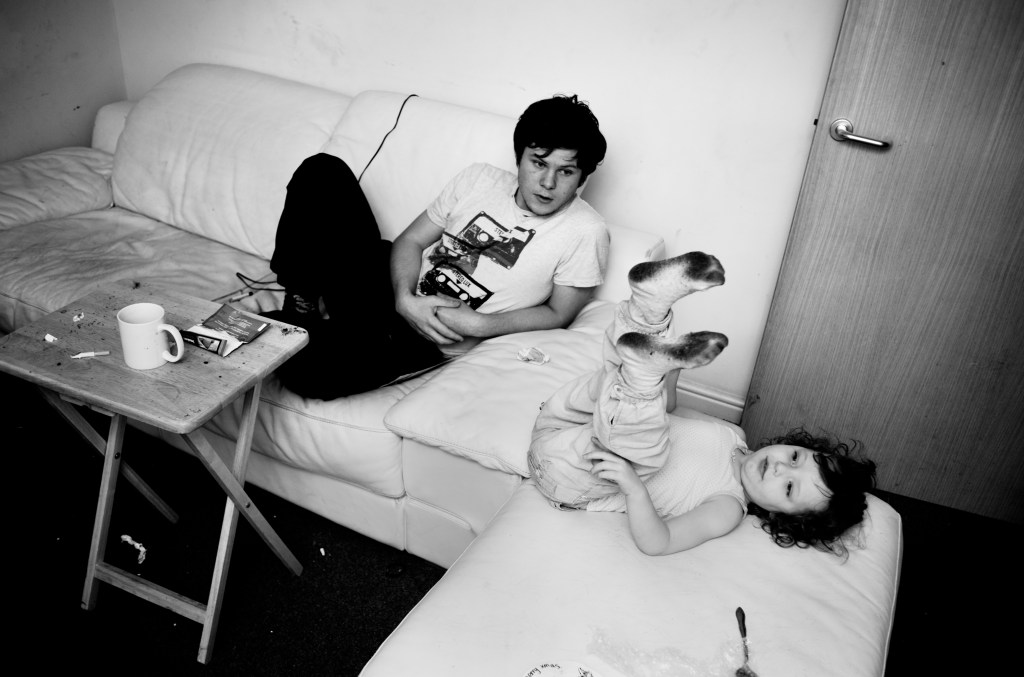
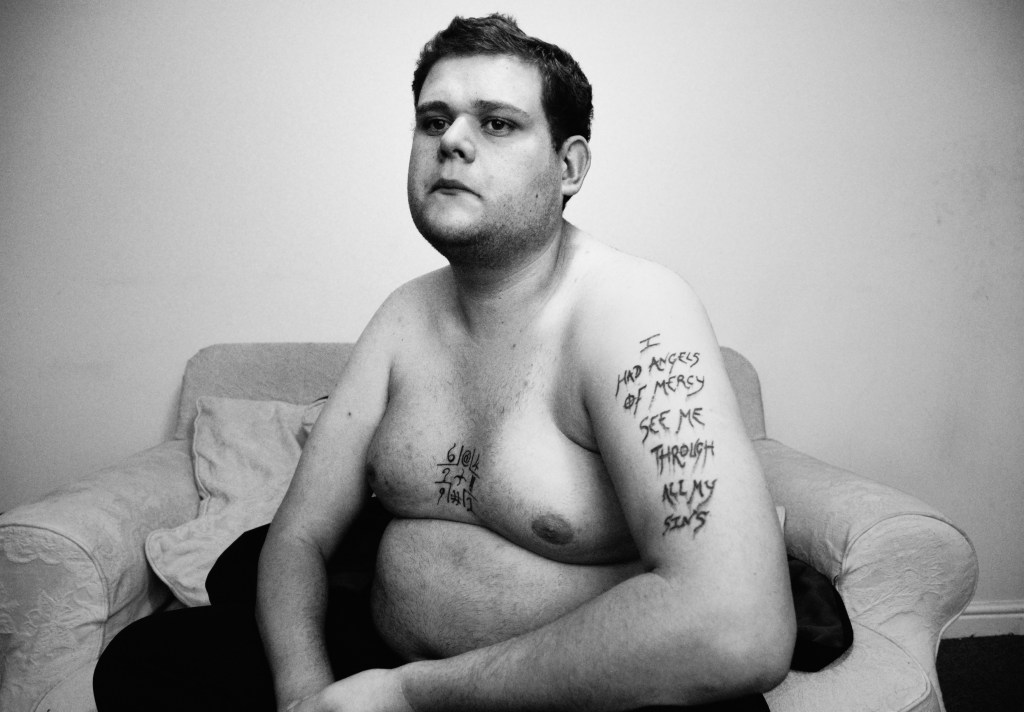
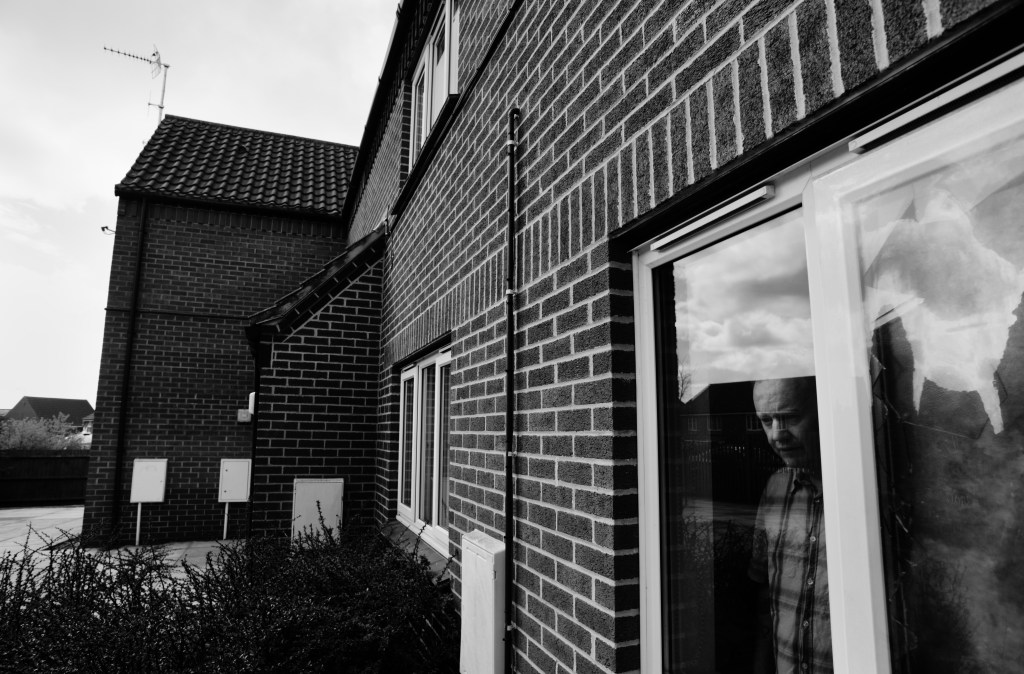
For more than twenty years, Mortram has worked within the same small geographic radius in Dereham, Norfolk, building a body of work shaped not by access or mobility, but by proximity and time. What began as a practical limitation, his role as primary carer for his mother, which kept him close to home, became the foundation of a creative practice rooted in long-term presence. Within that tight radius, he found what he has described as an “organic network” of lives lived under pressure – people negotiating disability, grief, mental illness, economic peril, and the daily balancing act required simply to get to the next day.
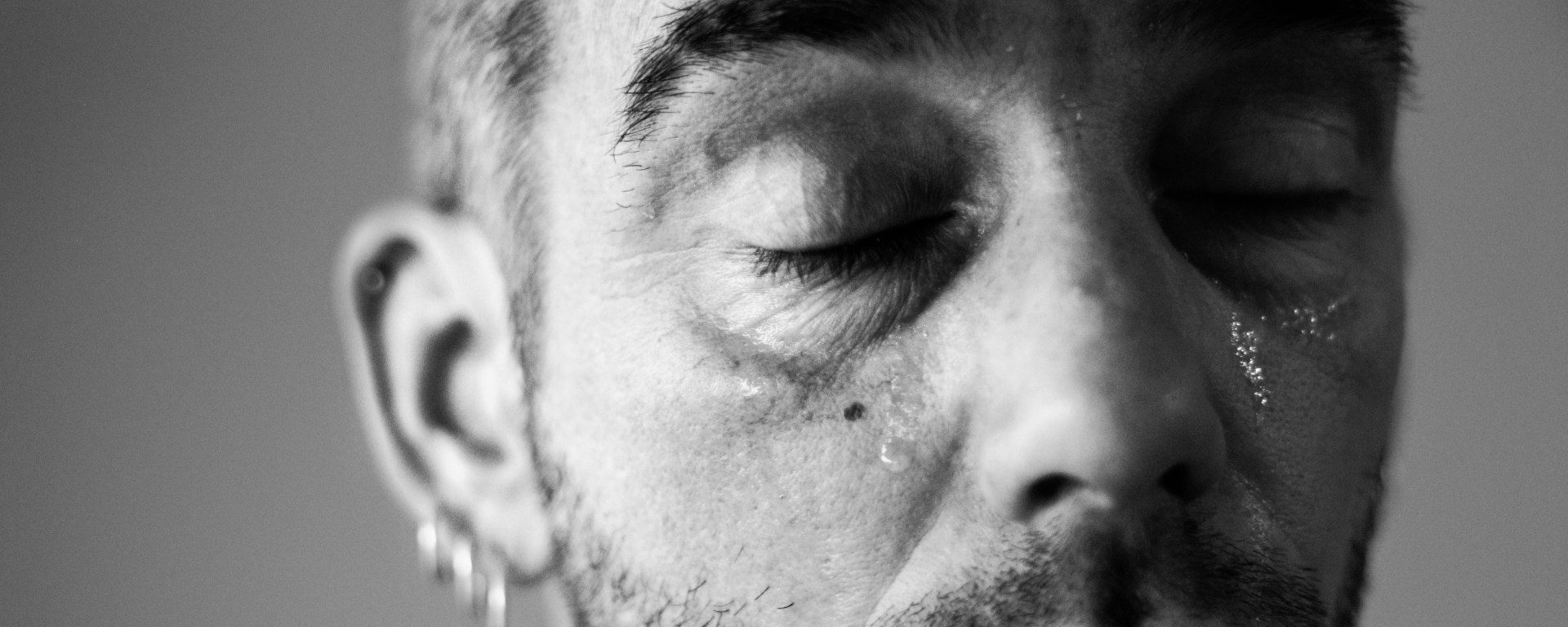
These photographs are inseparable from conversation. Mortram’s practice is built on listening, and the images go hand-in-hand with first-person testimony offered in participants’ own words. The people pictured are not presented as case studies or symbols; they are collaborators in the shaping of how their lives are represented. For a very long time, photography was perceived as a one-way medium. But recently we’ve seen how that power dynamic can be shifted, and how photography can be used as a tool to collaborate and communicate. Mortram’s camera becomes an effective tool in visualizing the invisible.
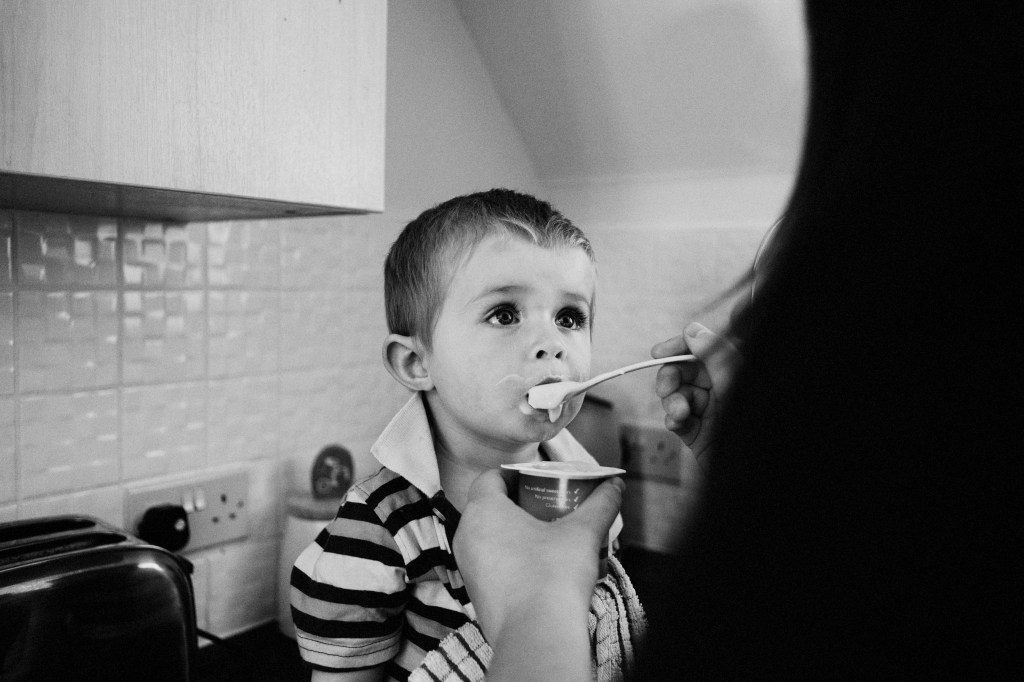
That distinction matters. Public narratives around working-class life in the UK are often filtered through distance, policy language, or sensational framing. Mortram’s portraits are steady, direct, and formally restrained. He resists. Mortram’s work describes individuals rather than issues, while never losing sight of the systems that structure the conditions we see. The work carries urgency without collapsing into pity, allowing complexity and dignity to occupy the same space.
Small Town Inertia 2 extends this approach under the altered conditions of the COVID-19 lockdown, when isolation and systemic strain became more visible and more widely felt. During this period, Mortram’s own family enters the narrative. This branch in the path of Mortram’s practice further softens any boundary between observer and observed. The project does not turn inward… instead it clarifies the shared vulnerability that has always been supporting the work.
Across both volumes, Mortram’s practice suggests another model for documentary. A model that is grounded less in coverage than in commitment. The scale is local, but the implications are not. By staying, by returning, and by allowing time to shape the work, he produces a record that feels less like a survey of hardship and more like an ongoing act of recognition.
– Cary Benbow, Editor, Wobneb Magazine
Jim Mortram has worked with Image & Reality to redesign his first sold-out book, Small Town Inertia, adding never-seen-before photos and testimony. Small Town Inertia shows their isolation and the loneliness in their daily lives. His work covers difficult subjects such as disability, addiction and self-harm, but is always with hope and dignity. The project is a testimony to the strength and resilience of the people he photographs.
Paramount for Small Town Inertia, since its creation, Mortram always been collaboration with his community and the amplification of their testimony. Mortram says, “We don’t live in a country where people have no voice, but people seldom listen and choose to look the other way.”
Small Town Inertia Vol 2 represents an additional seven years in people’s lives in and around Dereham. Governments have come and gone but for many of the individuals that Jim works with, nothing has changed. They are failed by austerity, their health, waiting lists and a social security system that doesn’t work for those most in need. It hasn’t got better.
What has changed is the urgency.
“Rich with passion and fire, but free of self-pity and misery – these poems, photographs and paragraphs take us into a world and a life that most of us are lucky enough not to know. But we should know, for this is a story of our fellow citizens trapped in a system that simply isn’t good enough. I urge you to take a look…” Sir Stephen Fry, July 2025
Small Town Inertia Vol 2 depicts the ever-worsening consequences of a system that is punishing people that it should be helping. Cover to cover, it is filled with the testimony of participants in their own words. All they had to say and how they wanted to say it.
“These captured images are like ancestral cave drawings in a world that has been reduced to things we’d rather see as each of us now operates on our own and in silence through digital motion.” Jason Williamson Sleaford Mods, July 2025
All participants are collaborators, not subjects, and all they profoundly wish that their testimony will be heard. There are glimmers of hope in their words, their endurance and advice born from wisdom only earned through experience of a society and system that chooses to ignore them.
These are dispatches from the front line of the marginalised.
“Small Town Inertia 2 is the rarest of human projects in the fact that it is just that…Mortram lives and breathes for his community and his commitment to the isolated and ignored voices he documents is, in my opinion, the most important work taking place in UK photography today. Mortram’s work is a rare gift and I for one know that he cares more for the people involved in Small Town Inertia than he does for any compliment or plaudits from the wider arts and cultural arena. Mortram is the real deal.” Jamie Thrasivoulou, July 2025
Bio
Jim Mortram is a photographer and carer based in Norfolk, UK. The Guardian newspaper describes his project and photobook, Small Town Inertia, as having “a timeless character that invites easy comparison with the classic documentary work of such British photographers as Chris Steel-Perkins, Paul Trevor and Chris Killip.” He was awarded in the Digital Camera:Photographer of the Year competition 2009 and 2010. He has exhibited internationally including Camden Image Gallery 2014 and Photoville New York 2013. His published work has appeared in The Guardian, British Journal of Photography (Ones to Watch 2013), Black and White Photography, Cafe Royal Books, BBC, Professional Photography, Flakphoto and aCurator.
::
https://smalltowninertia.co.uk/
Small Town Inertia, Vol. 2 is available at www.imageandreality.co.uk
The ongoing series of features and posts on the significance of documentary photographers and photojournalists can be found at Wobneb Magazine.
 Wobneb Magazine