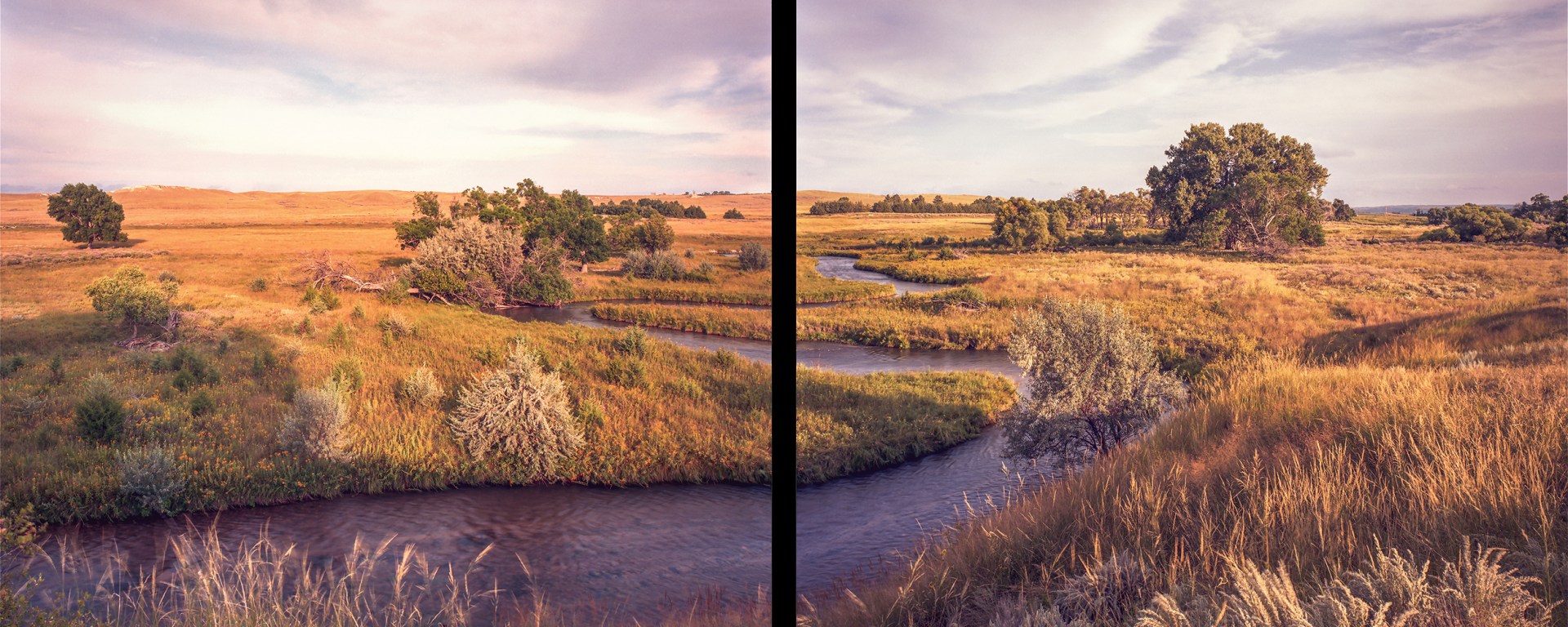
A photographic examination of how contested histories are named, remembered, and embedded within the American landscape
Historical violence is often easier to acknowledge than it is to define. The language used to describe it—terms like “battle,” “conflict,” or “massacre”—is rarely neutral, and rarely settled. These distinctions, while seemingly semantic, shape how events are remembered, taught, and absorbed into a broader cultural narrative.
Across contemporary photography, a number of photojournalists and photographers have begun to engage directly with this instability, turning their attention toward landscapes where meaning is neither fixed nor universally agreed upon. As with long-form documentary and post-conflict photojournalism, the emphasis shifts away from the event itself and toward its aftermath. Their work explores how history is carried forward, where it is made visible, and where it is allowed to recede.
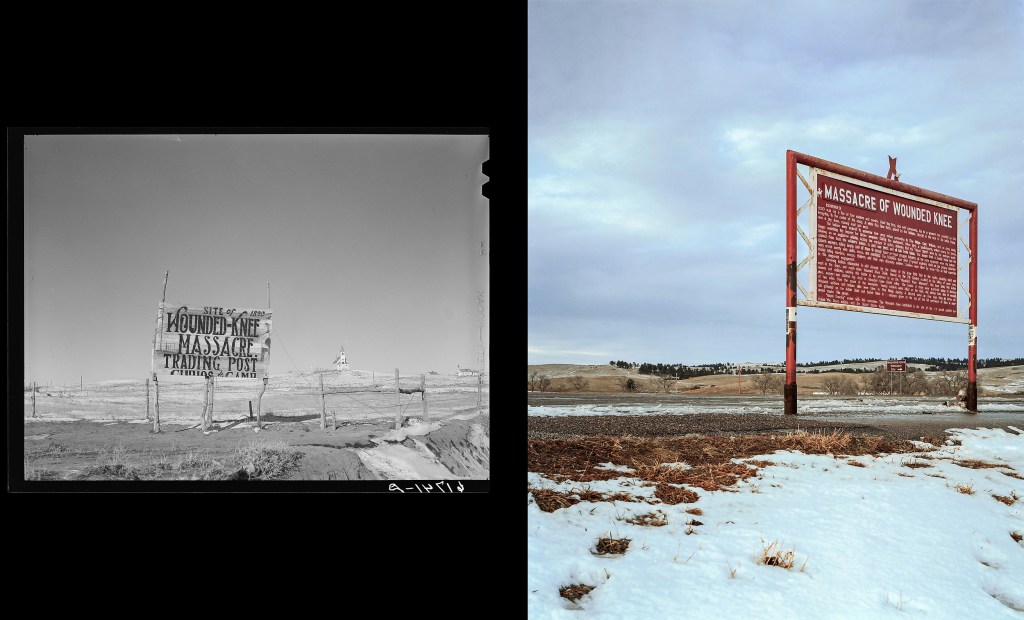
The work of Adam Reynolds enters this space with a measured and deliberate approach. His project, When is a Massacre a Massacre?, considers sites tied to violent encounters between Native American communities and the United States government, using the landscape not to reconstruct the past, but to examine how it has been framed.
Rather than revisiting these events directly, Reynolds examines the instability of the terms used to describe them. “Massacre” becomes less of a fixed label than a shifting one shaped by authorship, perspective, and historical distance. Some historic events are firmly embedded in public consciousness, while others remain contested or largely absent from dominant narratives. This inequity points to a broader condition: history not as a stable record, but as something that is malleable and continually negotiated, shaped by those who have the authority to name it.
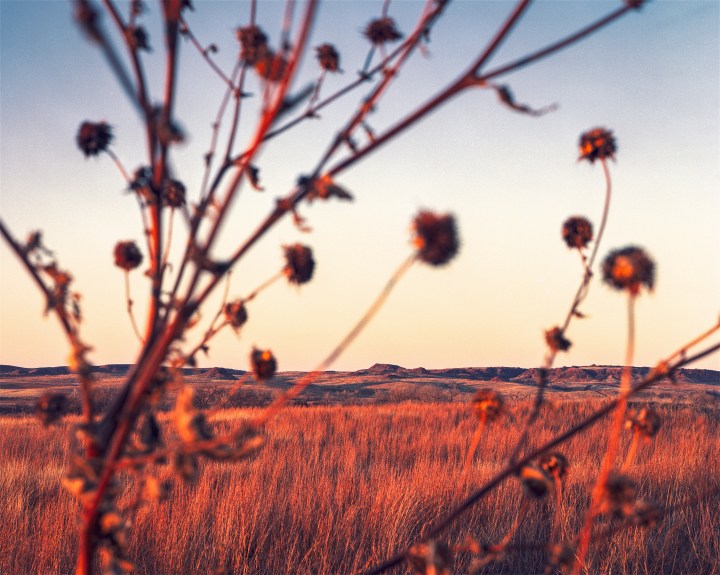
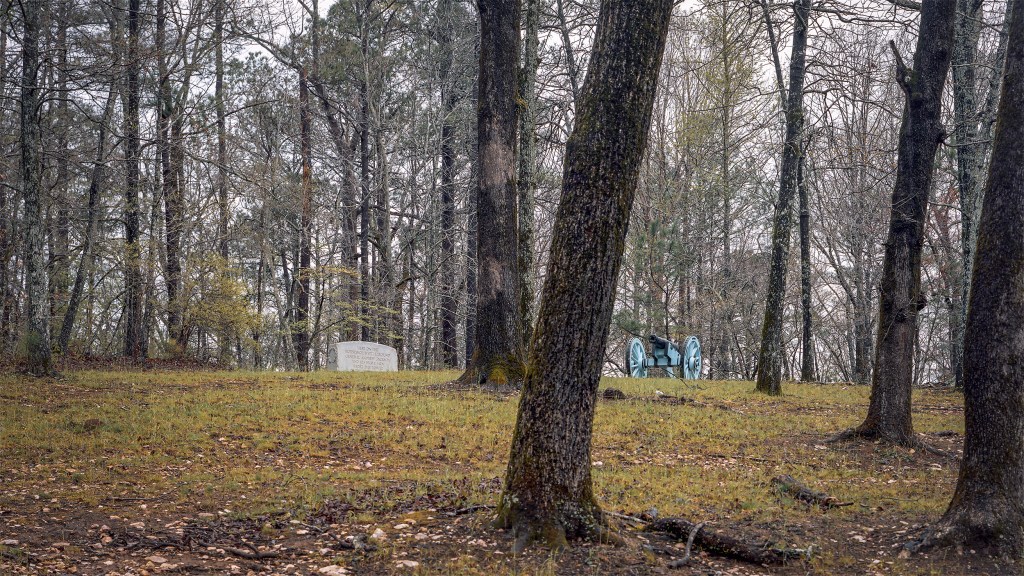
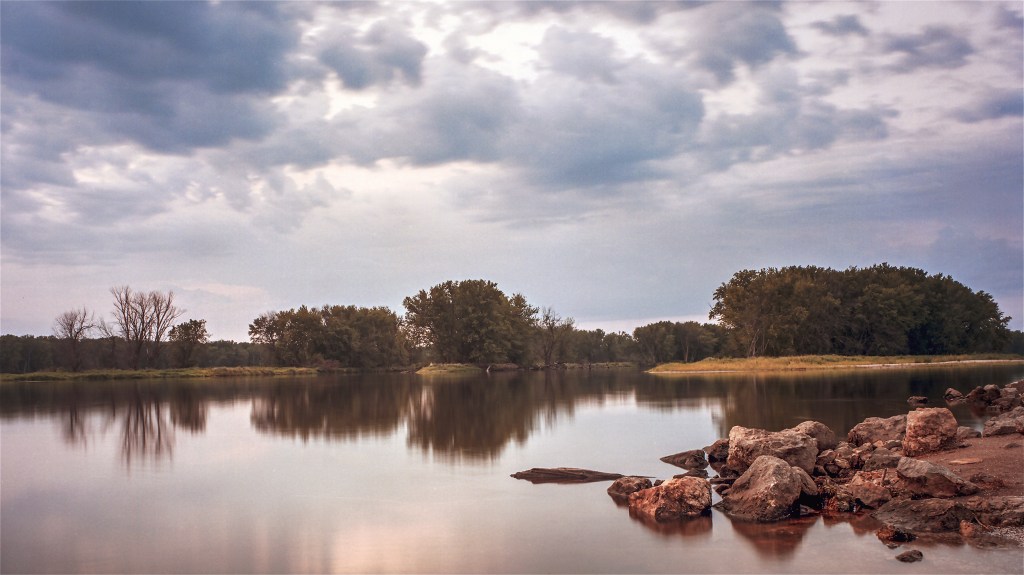
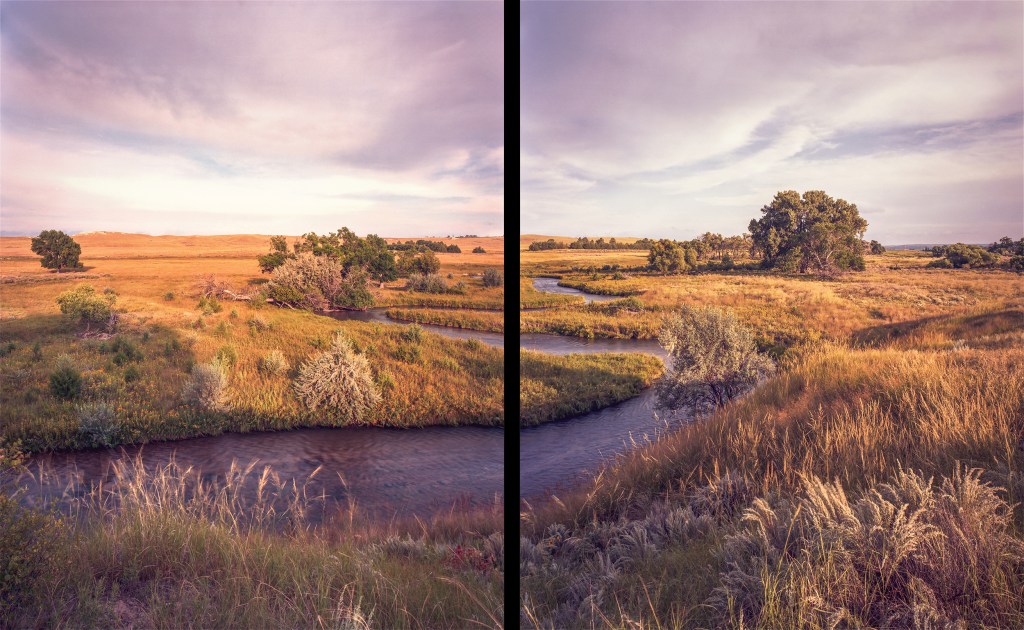
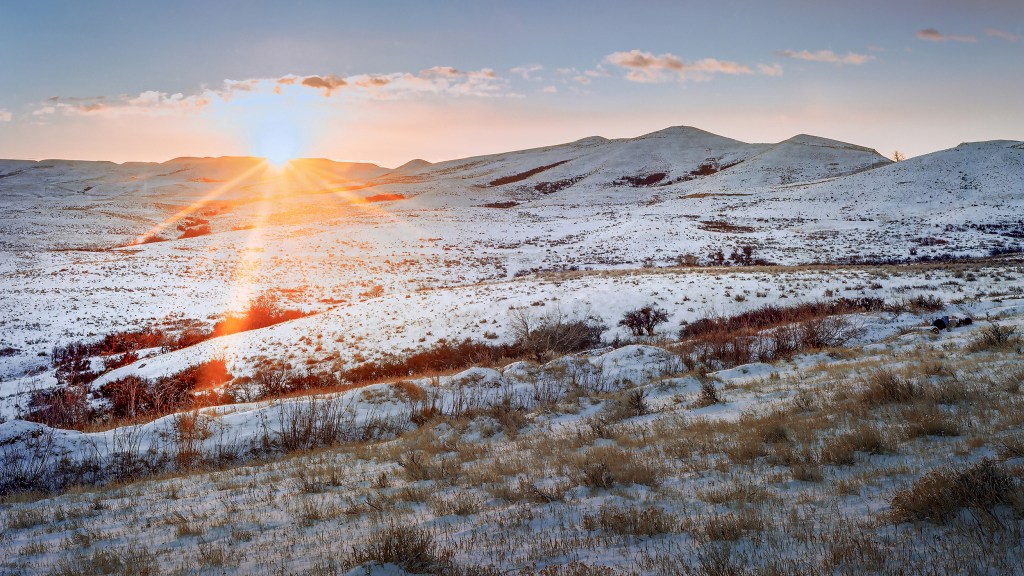
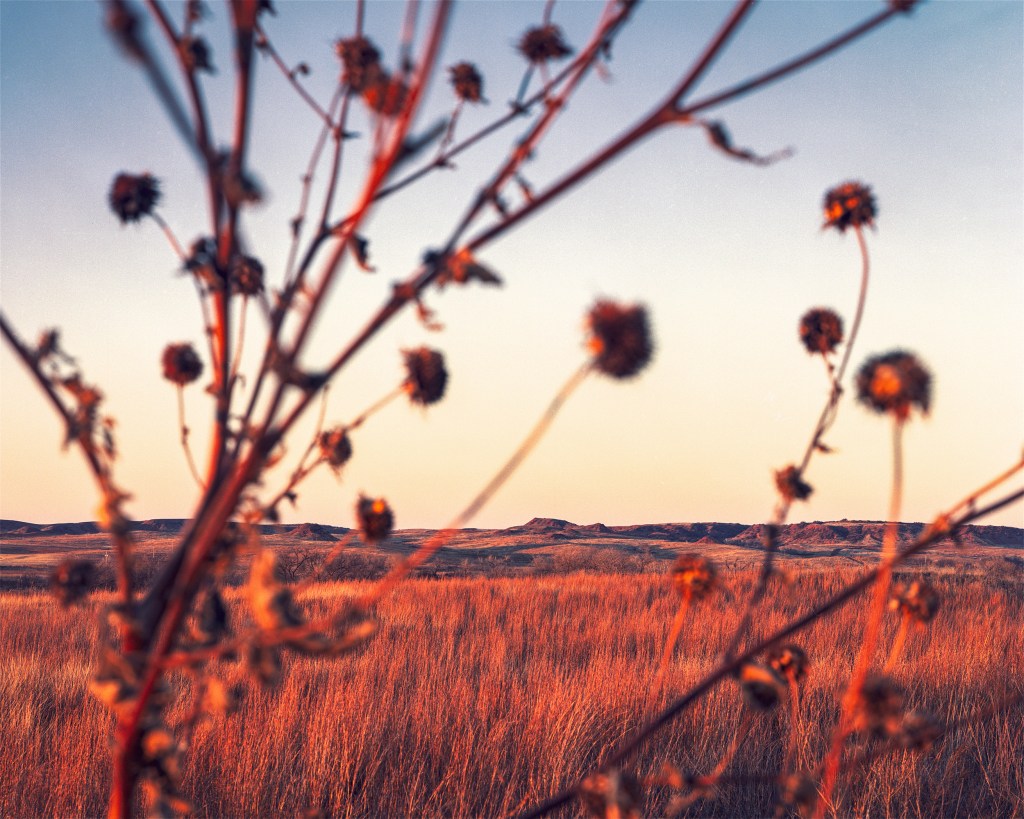
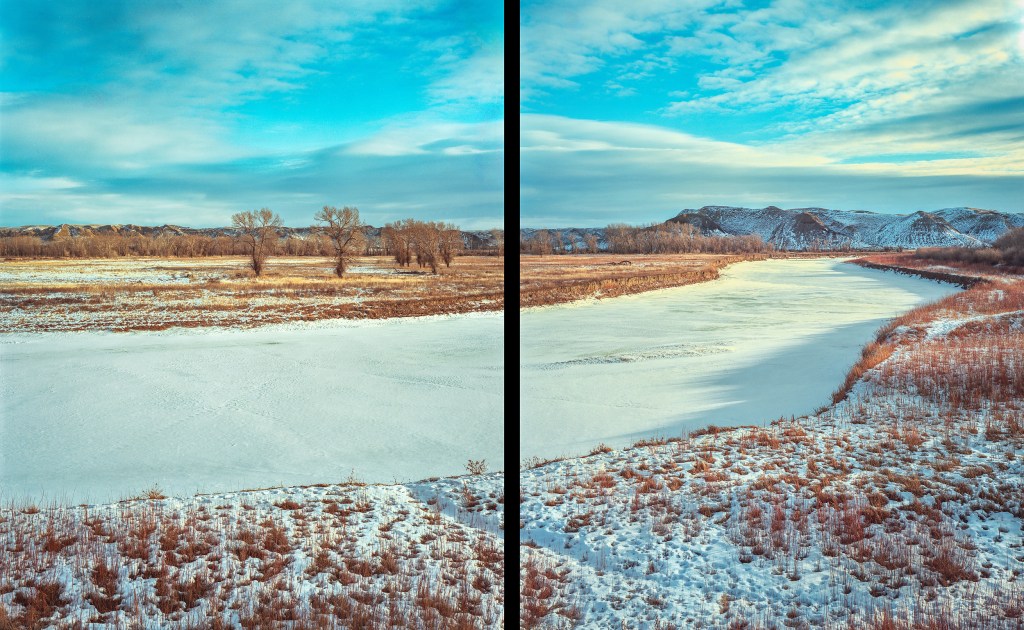
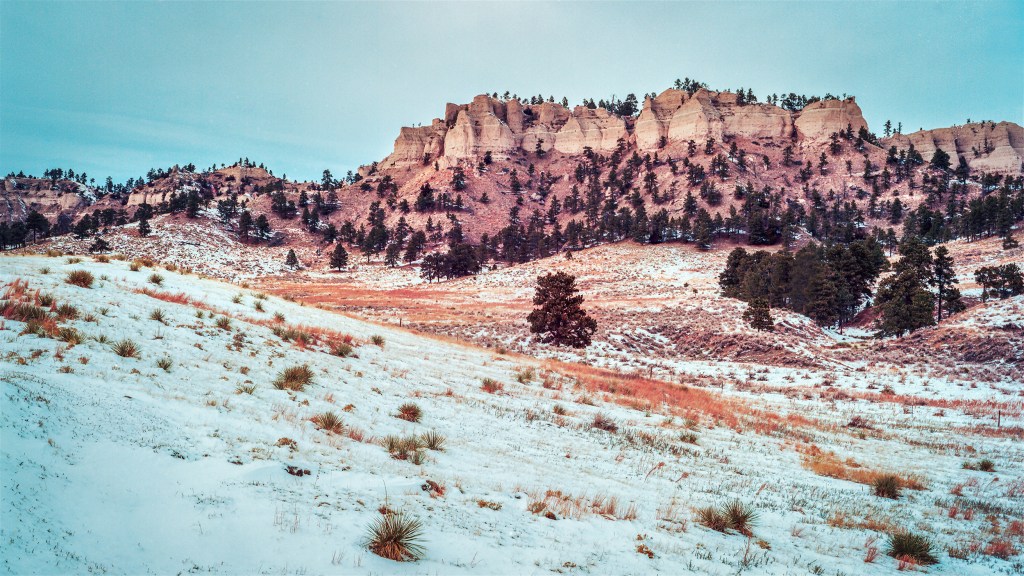
The landscapes Reynolds photographs reflect this ambiguity. They are at once ordinary and charged, bearing few immediate traces of the violence they hold. In this way, the work aligns with a broader trajectory in documentary practice; one that moves away from spectacle and toward quiet observation, where meaning is built through context, research, and sustained looking. Reynolds’s images do not direct interpretation; instead, they create space for it, asking viewers to consider how memory is constructed through both presence and omission.
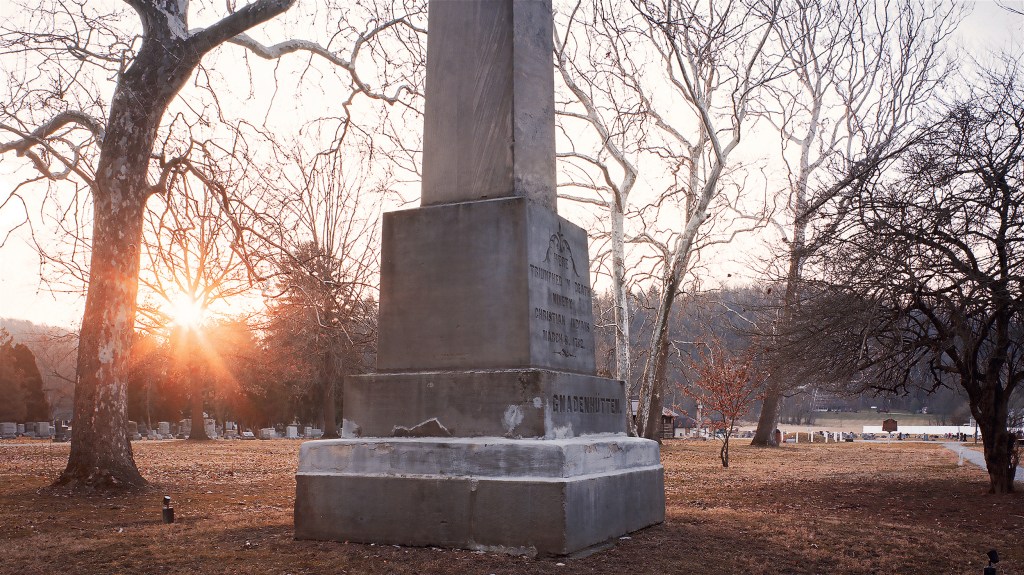
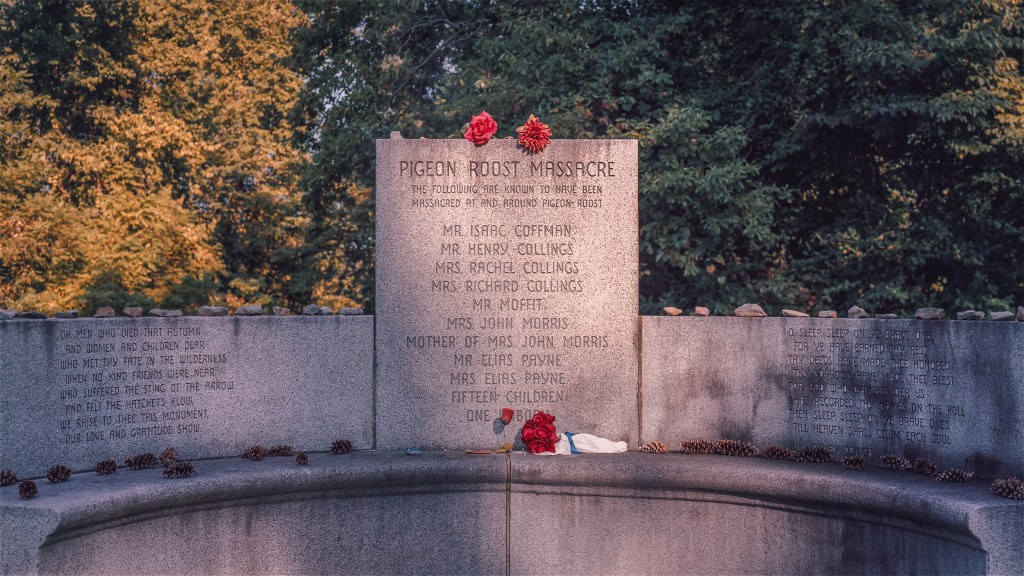
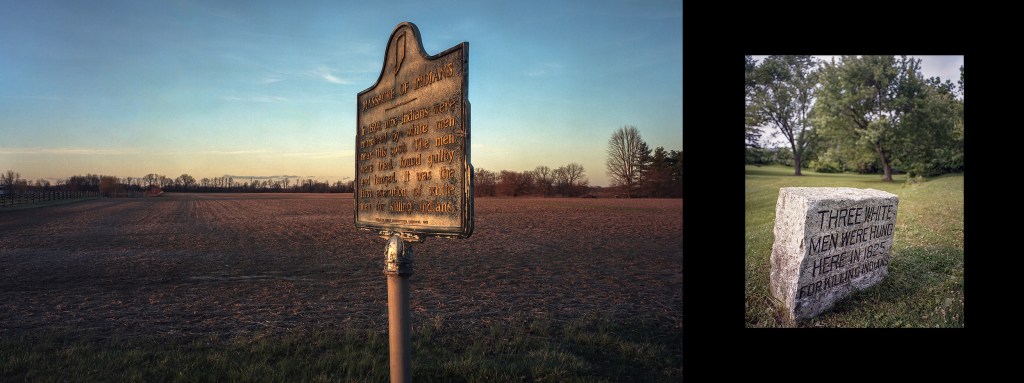
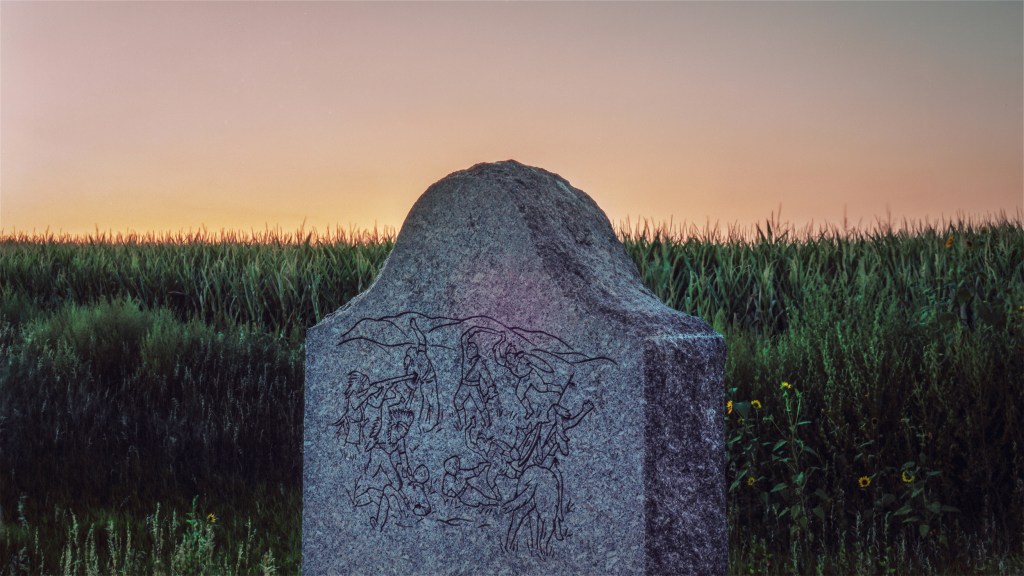
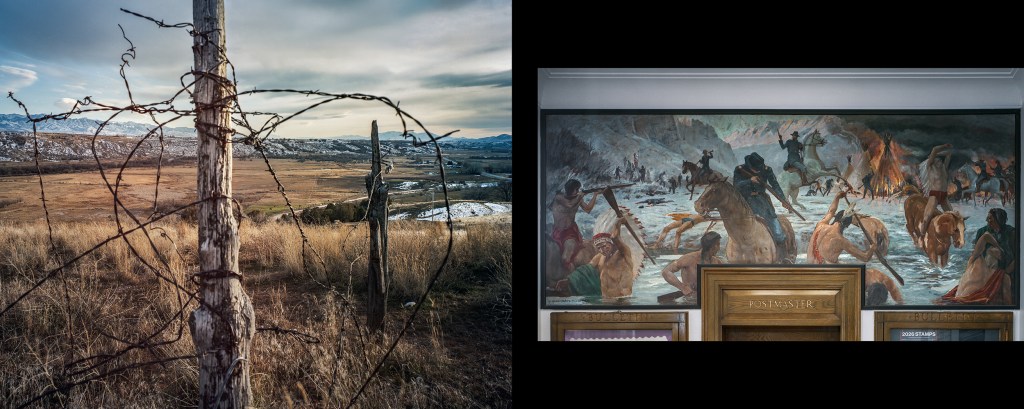
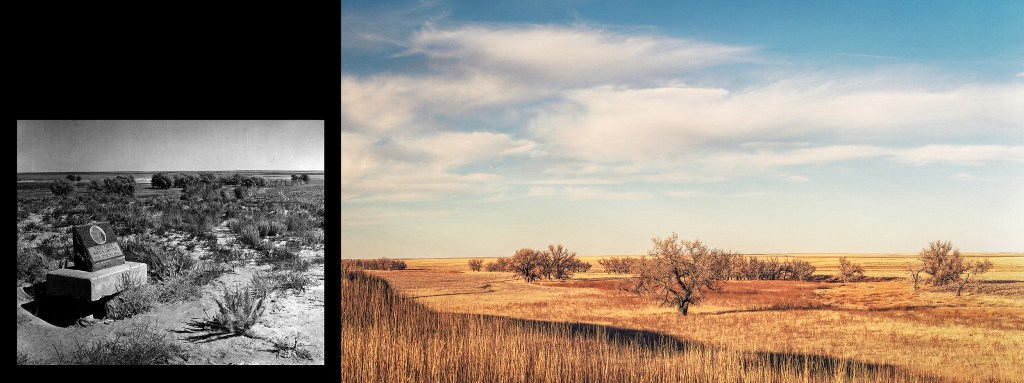
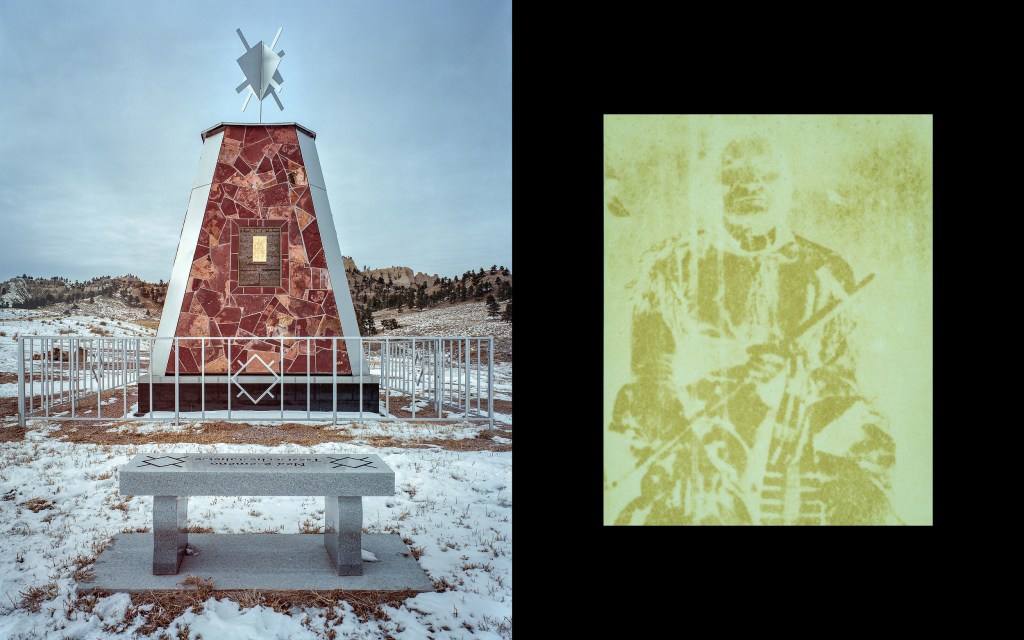
Equally significant is the role of memorialization within the project. Markers, monuments, incorporated historic photographs, and site designations function not simply as records, but as interpretations—artifacts of the moment in which they were created. Their language reveals as much about contemporary values as it does about the past, reinforcing certain narratives while leaving others unresolved. In this framework, the question of what constitutes a “massacre” remains open, shaped as much by cultural perspective as by historical facts.
Within the broader context of this feature series, Reynolds’ work speaks to the difficulty—and necessity—of returning to histories that resist clarity. The project does not attempt to reconcile competing narratives, but instead makes visible the structures through which those narratives are maintained.
Reynolds’ approach is grounded in a background that bridges journalism and long-form documentary practice. Having begun his career as a freelance photojournalist covering the Middle East, his work continues to carry a sensitivity to the complexities of conflict and its aftermath. That experience, paired with a deeply research-driven process, informs a practice that is both observational and analytical. His photographs are not constructed to persuade, but to inform—to hold space for ambiguity while remaining attentive to the political and historical forces that shape what we see, and what we are asked to remember.
– Cary Benbow, Editor, Wobneb Magazine
When is a Massacre a Massacre?
This project is a visual survey of the American landscape at sites of historic conflict between the U.S. government and Native American peoples, centering on the idea of “massacre”—a term both politically charged and historically complex. The work explores how these events have been commemorated or forgotten over time. It asks whether our understanding of shared histories can be reconciled with opposing, oftentimes confrontational, historical narratives.
Photographed with a 4×5 field camera on or near the anniversary of each event, the images form a visual timeline of America’s westward expansion. They examine how the idea of “massacre” has evolved; how some sites are recognized, others contested, and still others forgotten. Included are events commonly acknowledged as massacres, those that arguably qualify, and others whose historical framing has shifted over time, regardless of who is cast as victim or perpetrator. The story told is a complex narrative about the importance of place, history, and remembrance that challenges longstanding myths of American exceptionalism.
Though grounded in landscape photography, elements of memorialization, both past and present, are incorporated. Just as important as the events themselves, the history of how we have come to remember and memorialize them reflects a society’s understanding and values at any given moment in time. The memorials and names given to these events imply interpretation, which in turn rely on a broad consensus of how an event is understood. History is curated, and whether or not a massacre is remembered and acknowledged oftentimes depends on who is doing the remembering. As the Shawnee leader Chiksika once observed: “when a white army battles Indians and wins, it is called a great victory, but if they lose it is called a massacre.”
The goal is not a comprehensive catalog of these tragic events but rather an exploration of how the term “massacre” operates, whether as a rhetorical weapon, as historical shorthand, or as a lens through which we view the past. Revisiting the past is how memory and history are reconfigured and understood, with acts of memorialization either clarifying or distorting this understanding. – Adam Reynolds
Bio
Adam Reynolds works as an architecture and design photographer based in Indianapolis, IN, where he collaborates with clients throughout Indiana and the Midwest. He also works as a historic preservation photographer, specializing in large format documentation and is qualified as a HABS/HAER/HALS-level photographer for the Historic Documentation Program in the Dept. of the Interior.
Reynolds’s background as a photojournalist continues to inform his present work with heavily researched and observed projects with images meant to inform. He holds a Masters of Fine Art degree in photography from Indiana University. He began his career covering the Middle East in 2007 as a freelance photojournalist. Reynolds holds undergraduate degrees in journalism and political science from Indiana University with a focus in photojournalism and Middle Eastern politics. He also holds a Masters degree in Islamic and Middle East Studies from Hebrew University in Jerusalem.
::
Website https://www.adamreynoldsphotography.com/ – Instagram @apreynol13
The ongoing series of features and posts on the significance of documentary photographers and photojournalists can be found at Wobneb Magazine.
 Wobneb Magazine