
Some places hold you like a dammed river
There is a particular kind of quiet that settles over places shaped by a single institution, whether industrial, educational, or otherwise. It’s a quiet that feels less like peace and more like suspension. In 1804, Rich-Joseph Facun returns to the Appalachian foothills of Southeast Ohio to locate that stillness in the uneasy orbit of a rural university town.
Facun’s photographs drift between portraiture and landscape, between observation and implication. Like the mythic presence of place found in the work of Jack Kerouac or Alec Soth, the town itself becomes a central character. But where Soth’s Mississippi carried fragmented and untethered American dreams, Facun’s terrain feels more enclosed, shaped by a single gravitational force that pulls inward rather than beckons away. The source is the university itself.
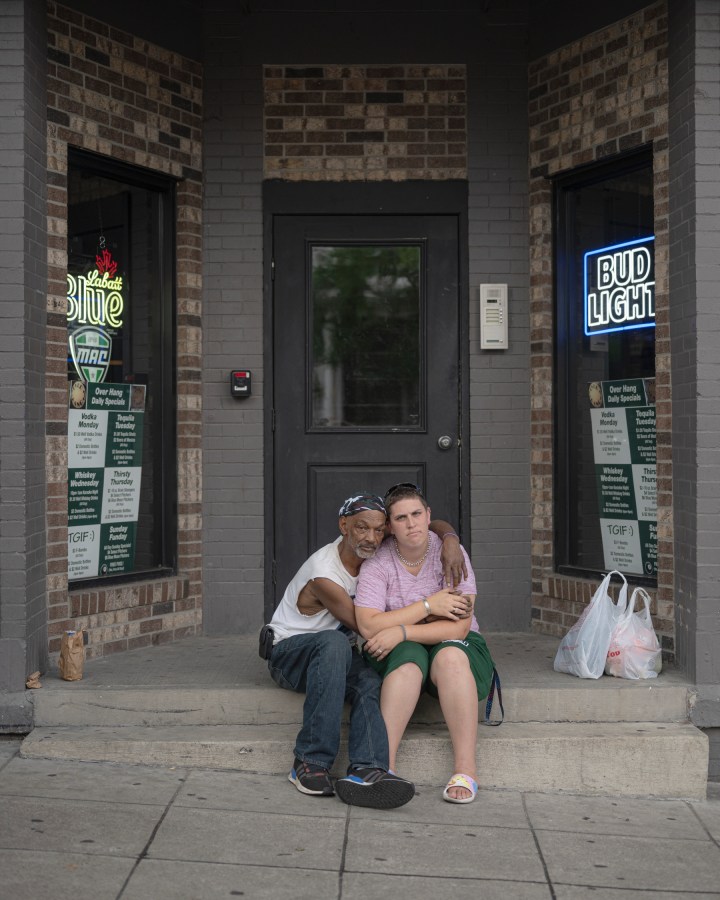
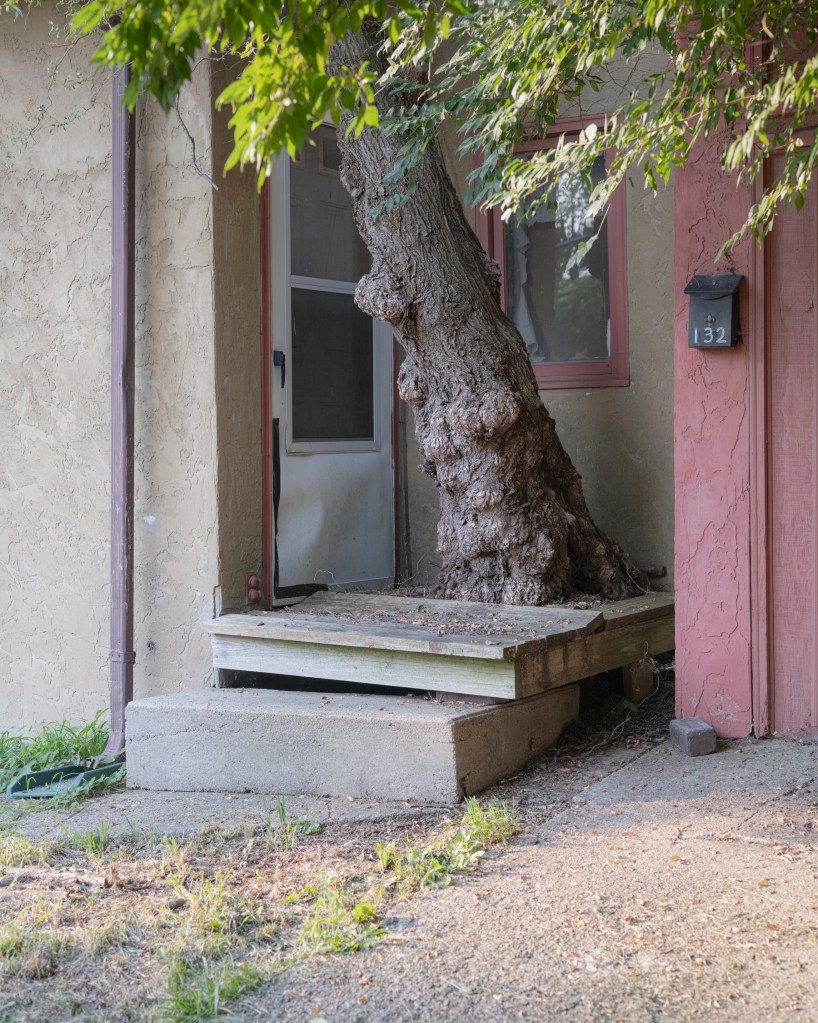
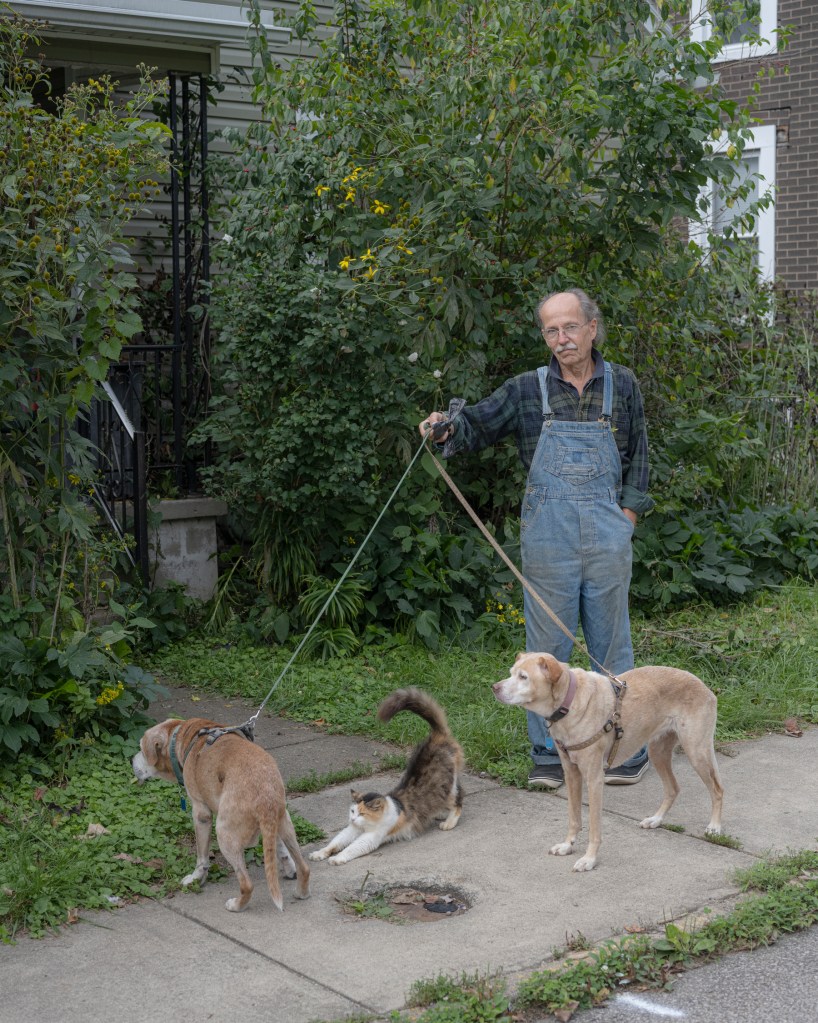
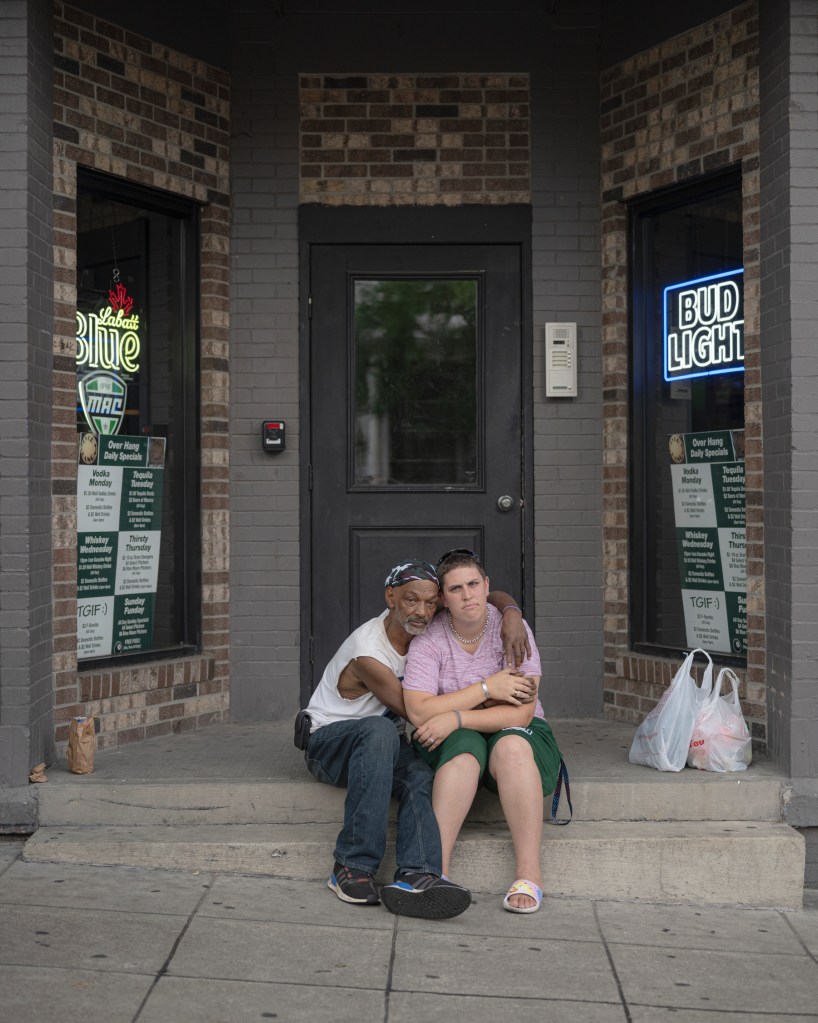
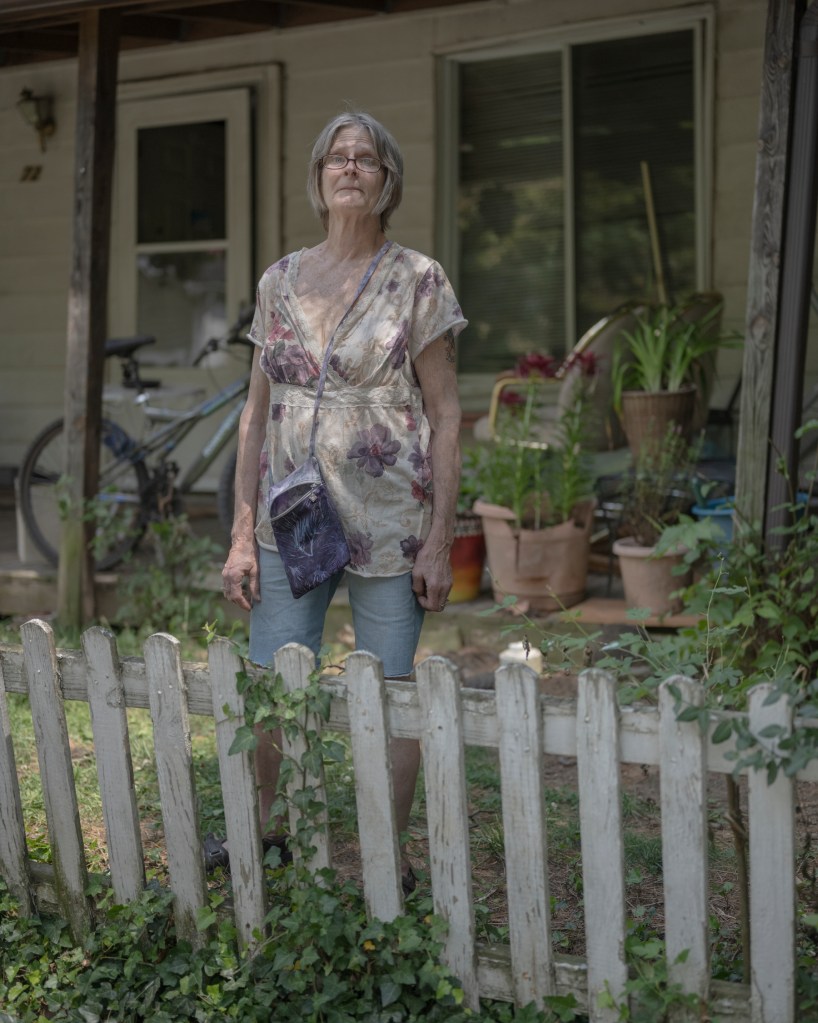
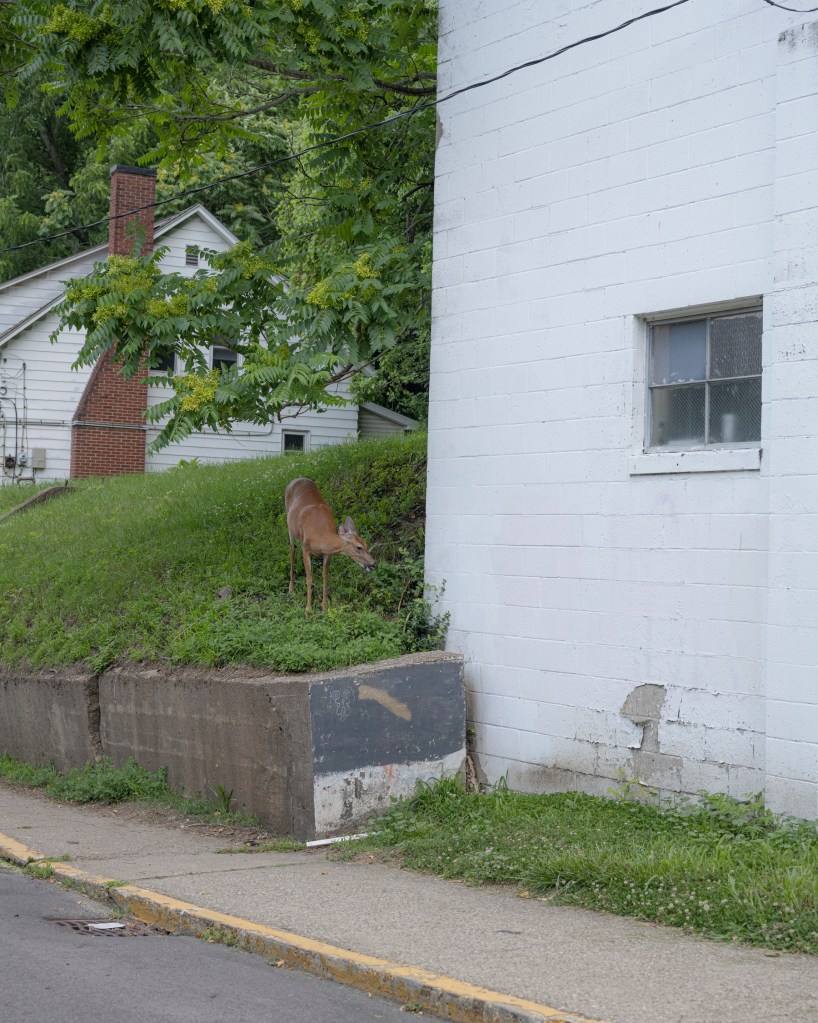
The title, 1804, gestures toward origin stories and institutional mythologies, but the photographs resist any singular narrative of progress. Instead, the book unfolds through fragments: students lingering in liminal spaces, aging infrastructure, empty streets, cluttered yards, a deer grazing beside a building in town, the burned-out shell of a house. Through Facun’s portraits, you sense both vulnerability and resilience; a young woman with a bloodied nose left unwiped, couples embracing or standing shoulder-to-shoulder, gestures of closeness that feel quietly defiant.
Yet there is a level of uncertainty that hums beneath the surface of 1804. The aftershocks of the pandemic, federal funding cuts, and declining Higher Ed enrollment projections are not illustrated directly, but they are implied in faces of Facun’s subjects, in the quiet interiors that feel temporarily occupied or recently vacated, in the sense that the future is being negotiated in real time. In this aspect, Facun’s photojournalistic chops serve the work well. The cancellation of student visas, staff layoffs, and shifting demographics become less like headlines and more like atmospheric conditions which are unseen, but deeply felt, like the thick, humid air of a midwestern summer.
While viewing the work, I found myself thinking of Rocket Boys by Homer Hickam, where young lives are shaped beneath the shadow of the coal industry. Facun’s university occupies a similar psychological space. It promises mobility and reinvention, yet its dominance creates a dependency that feels increasingly fragile.
Visually, Facun’s images are measured, attentive, and deceptively quiet. He understands how ordinary moments can accumulate meaning when given space. That sensitivity carries through his earlier books, Black Diamonds and Little Cities, forming a body of work that is geographically and thematically intertwined. Notably, each book begins with a map on its cover.
In 1804, the map feels less like orientation and more like a search. Maps are tools for navigation, but they are also acts of belief—documents suggesting we can locate ourselves, that we can find a way back home. Yet Facun’s photographs complicate that promise. The land has been revised too many times, its meanings layered over by institutions, economics, and memory. What appears to guide us begins instead to feel like longing.What ultimately distinguishes 1804 is its refusal to resolve these contradictions. The work lingers in the uneasy coexistence of opportunity and dependency, dignity and fragility. Like the best contemporary photobooks, it offers no easy answers. It simply insists that we look closely, and then look again.
– Cary Benbow, Editor, Wobneb Magazine
1804
1804 continues Rich-Joseph Facun’s exploration of life in the Appalachian foothills of Southeast Ohio. This time turning his lens toward the local university and its complex, symbiotic relationship with the surrounding community.
The work examines how heritage, socioeconomic forces, and youth culture are shaped—and at times strained—by the university’s presence. In this rural region, the institution functions as a progressive enclave within a largely conservative landscape. Yet it also operates as a modern-day company town: a singular, dominating employer and cultural force.
Having weathered the economic turmoil of the pandemic, the university now faces renewed financial distress. Federal funding cuts enacted during the Trump administration have triggered staff layoffs, the cancellation of student visas, and growing anxiety over a looming decline in high school graduates—the lifeblood of future enrollment.Published through Facun’s imprint Liars Corner, 1804 is informed by the oral storytelling traditions of Indigenous and Appalachian communities, where narrative has long functioned as a vessel for history, belief, and belonging. – Rich-Joseph Facun







Bio
Rich-Joseph Facun is an Otomí and Pinoy storyteller, photographer, and publisher based in the Appalachian foothills of southeast Ohio. His work explores how identity is shaped by place, examining the intersections of geography, economics, culture, and community within Appalachian landscapes.
His photography has been commissioned by The New York Times, NPR, The Guardian, and NBC News, and recognized by Photolucida, the British Journal of Photography, and Pictures of the Year International. He is the author of three monographs: Black Diamonds (2021), a visual exploration of former coal-mining towns in southeast Ohio; Little Cities (2022), which examines land use and cultural memory; and 1804, a study of heritage, youth culture, and institutional influence in Appalachia. Together, these works form an ongoing examination of place, heritage, and lived experience.
His monographs are held in the permanent collections of the Amon Carter Museum of American Art’s Research Library, the Frederick and Kazuko Harris Fine Arts Library, and the Robert E. and Jean R. Mahn Center for Archives and Special Collections.
Website: https://facun.com/1804
1804 is available at www.liarscorner.press
The ongoing series of features and posts on the significance of documentary photographers and photojournalists can be found at Wobneb Magazine.

