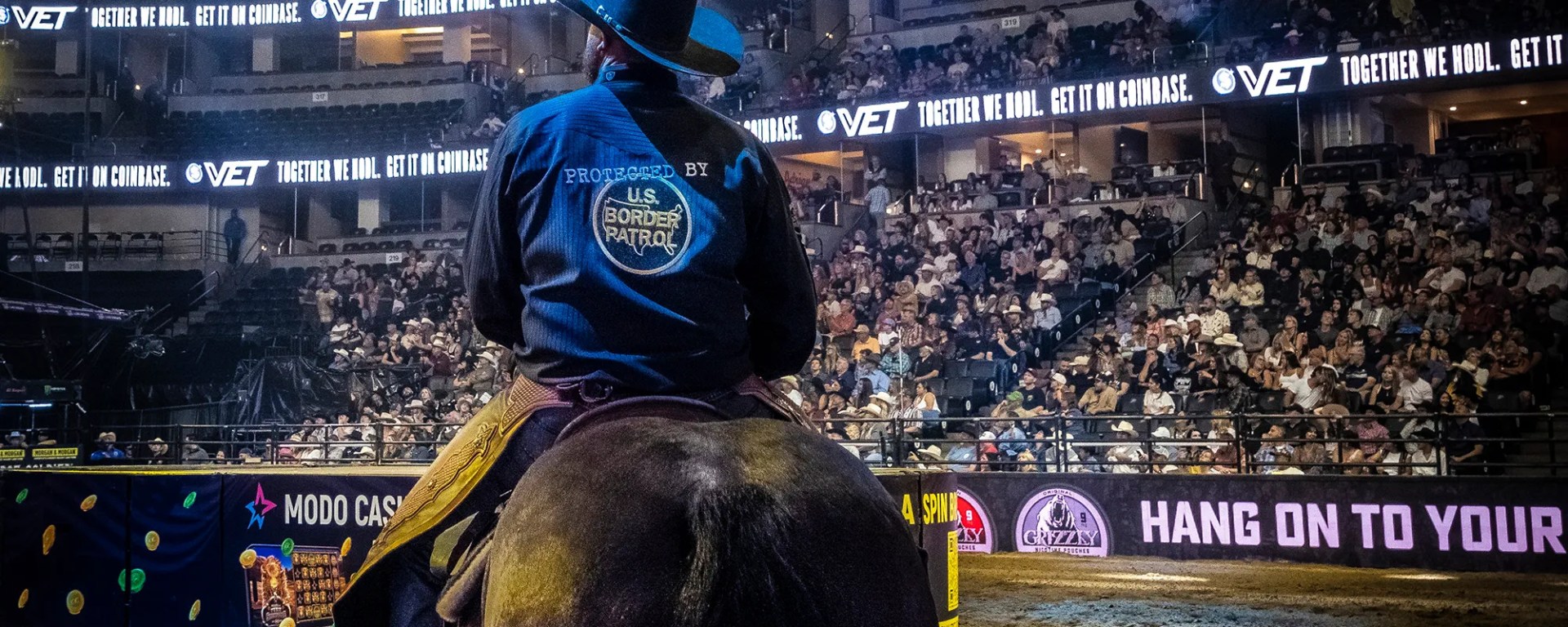
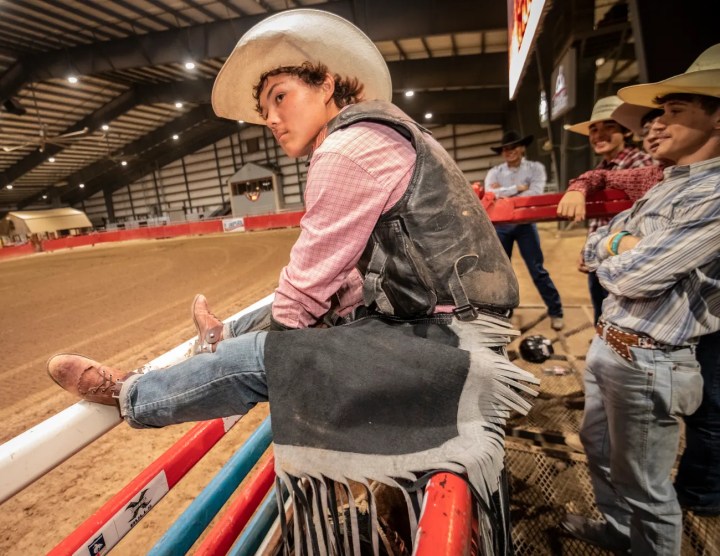
Carrie Schreck documents the communities and young men targeted for recruitment, raising questions about the widening reach of immigration enforcement.
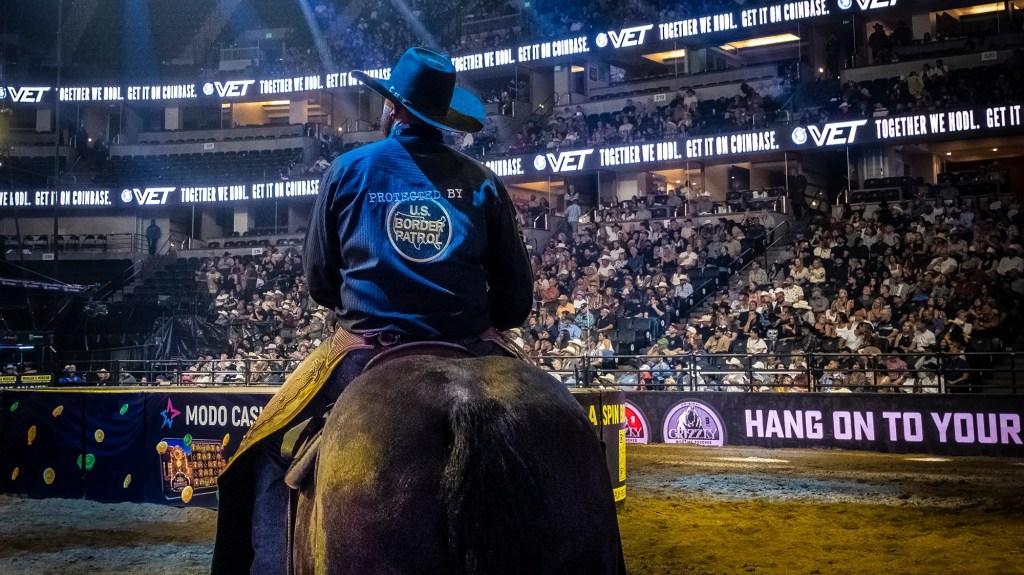
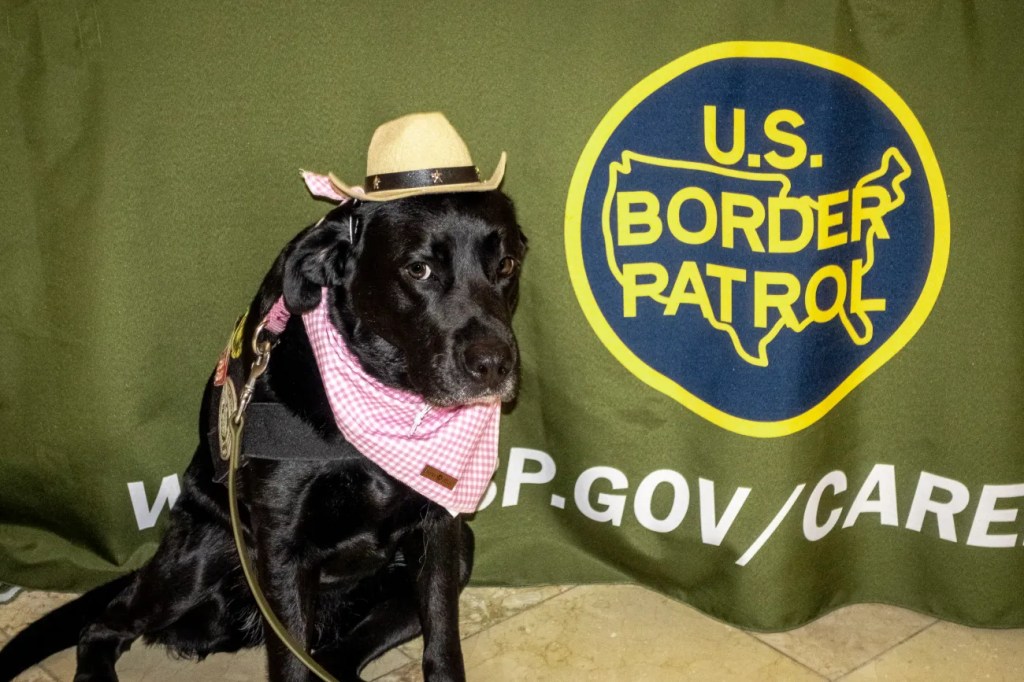
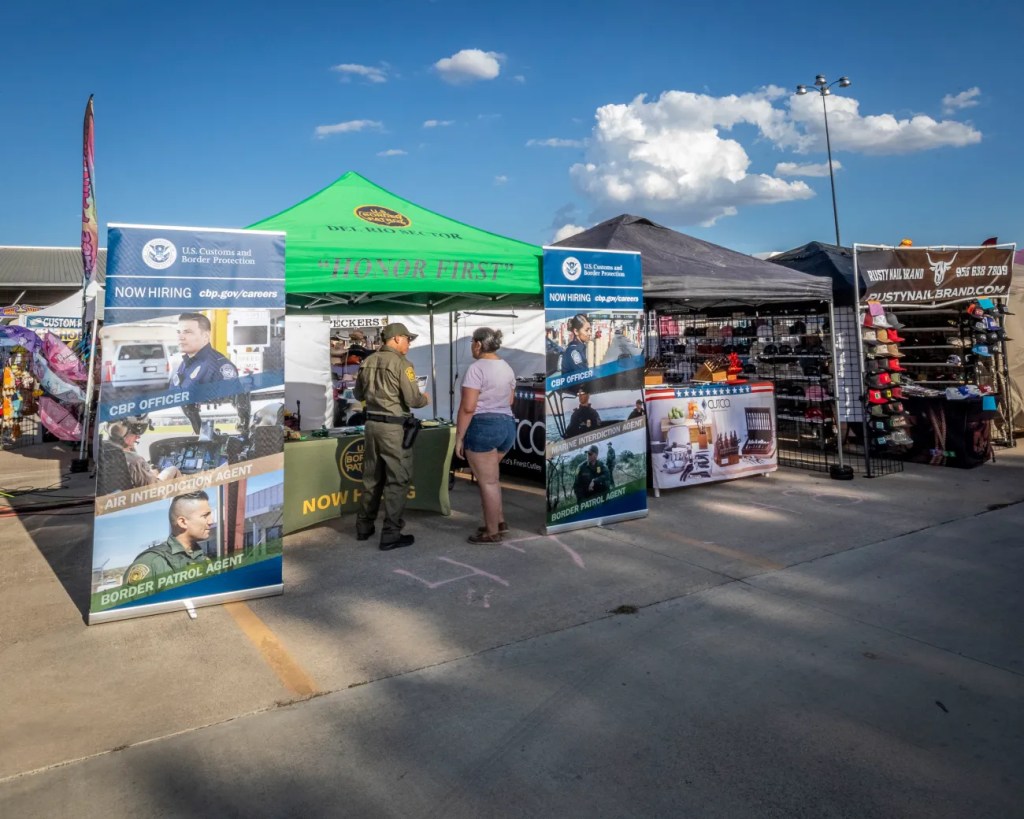
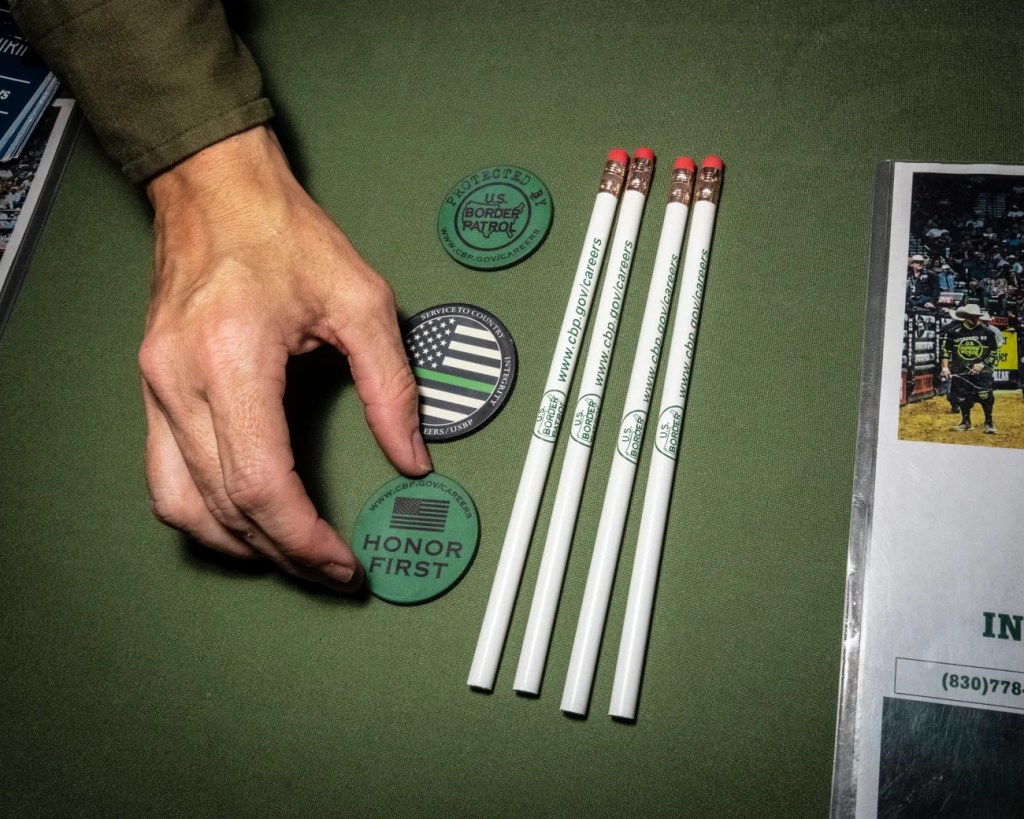
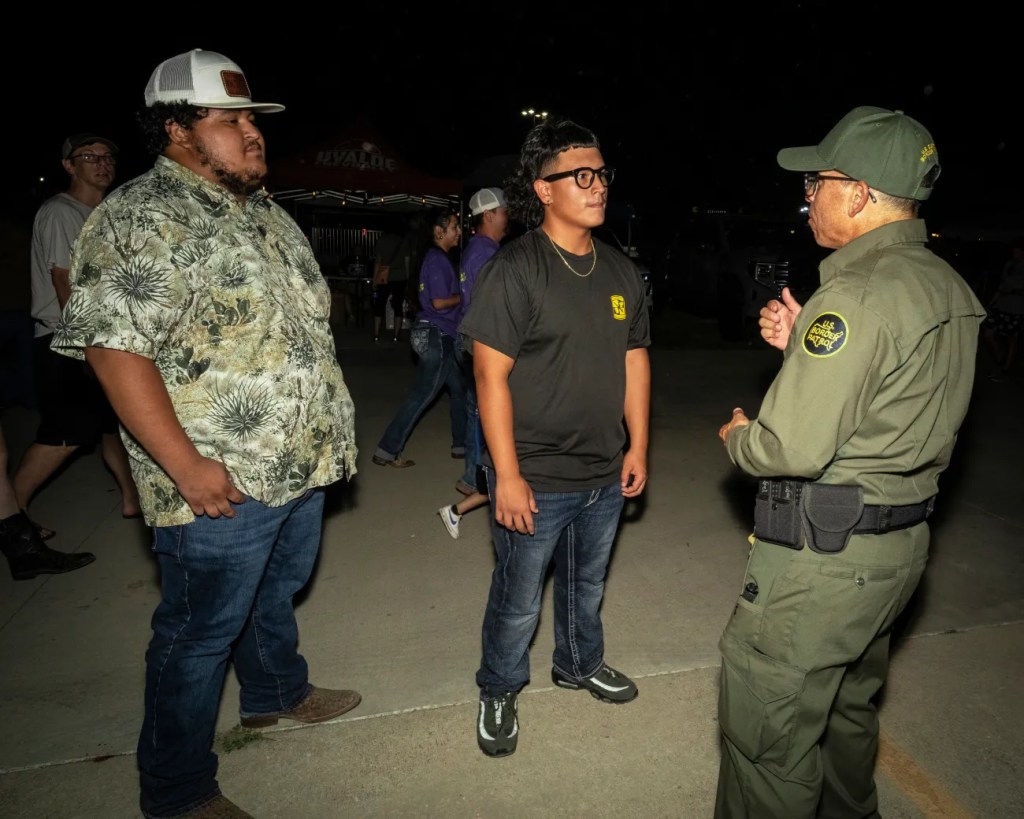
Photojournalist Carrie Schreck noticed Border Patrol actively recruiting at rodeos, targeting young, adrenaline-seeking men drawn to high-risk environments and attractive financial incentives. While covering these events, Schreck observed how recruits sign up expecting border or port-of-entry duties, yet risk being drawn into interior ICE enforcement operations.
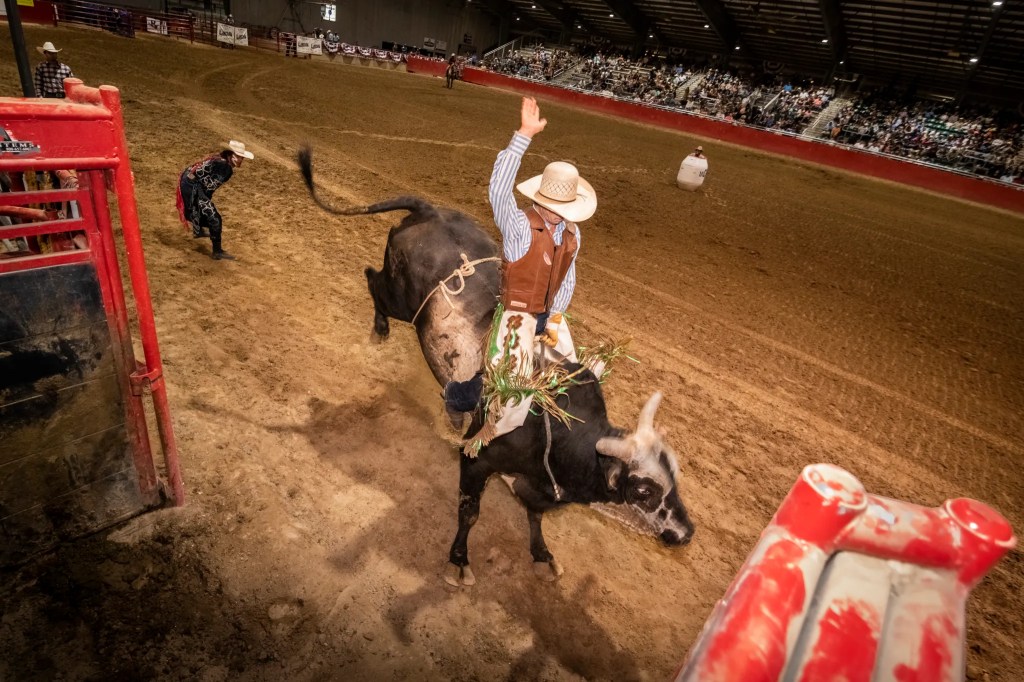
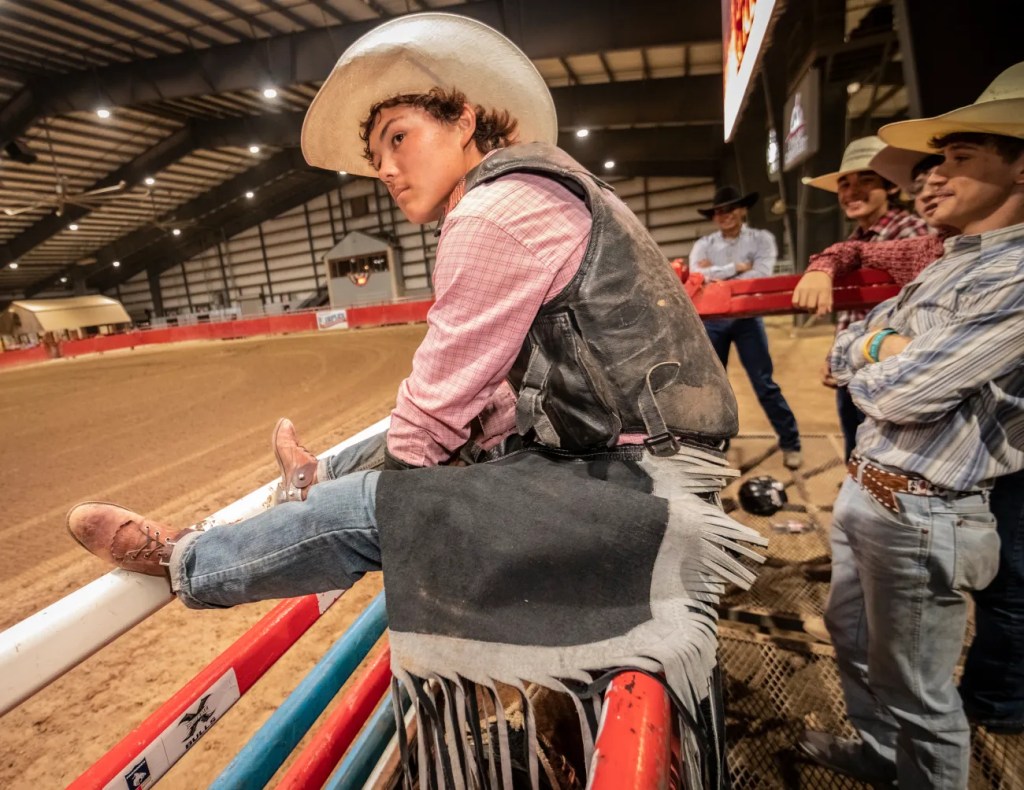
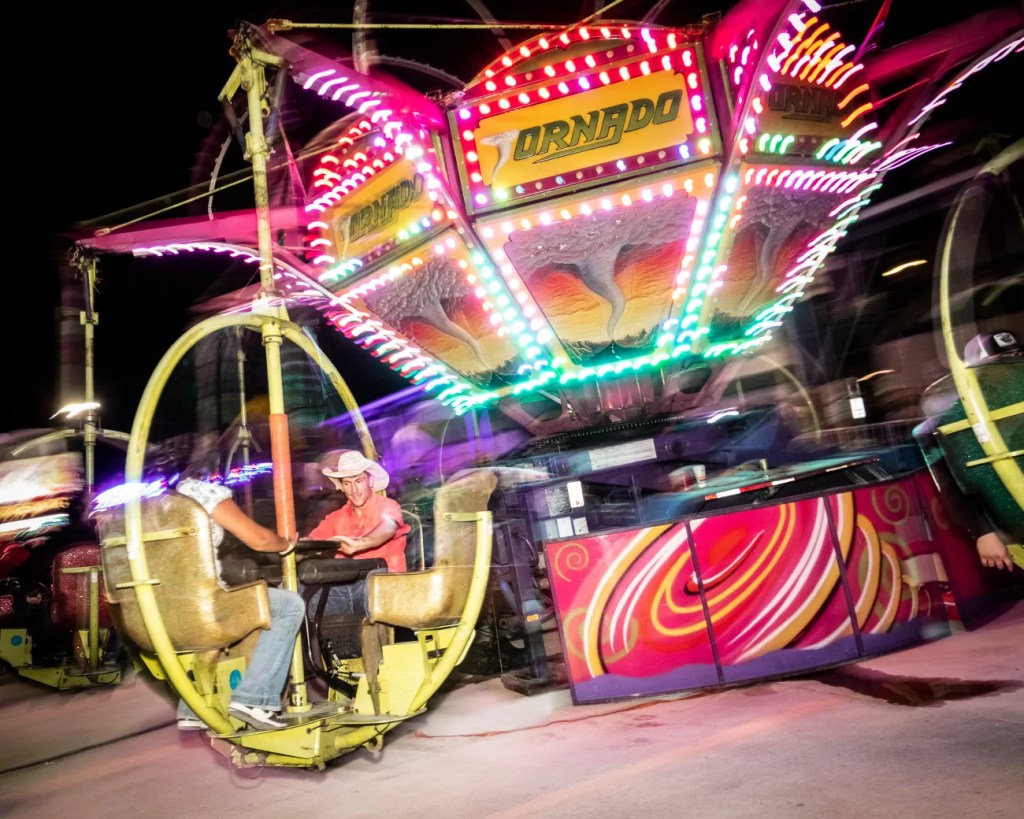
Schreck’s photo series stemmed from a meme identifying rodeo locations around the country where Border Patrol was recruiting. Looking through the agency’s recruiting page, she noticed a pattern. “Most sports are very masculine and macho,” Schreck explains, “but why bull riding? Why not a football game?” In Uvalde, Texas, she encountered young men preparing to ride bulls, many of them unfailingly polite, even as they psyched themselves up for the danger ahead. “It speaks to the kind of machismo, but also the adrenaline rush that these young guys are looking for.”
The risks are real. Schreck met one man whose face had been kicked in and reconstructed, while others described friends who had been airlifted from the arena or had died. Yet for young men in these communities, Border Patrol recruitment offers something more to them than a job. As one local told her, “That’s a huge opportunity for them.” The promise of steady employment and financial security for themselves and their families carries considerable weight, particularly in places where opportunities may be limited.
What concerns Schreck is the disconnection between what recruits believe they are signing up for and what the job may entail. Recruiters describe assignments at ports of entry or patrolling the border on horseback, but Border Patrol agents are increasingly being drawn into immigration enforcement operations far from the border. At a recruiting event in Anaheim, California, about 30 miles from some of the region’s largest immigration raids, she noticed the number of red hats in the crowd. Separately, a person who saw her photographs made an observation that stayed with her: “There couldn’t be a single person in this arena that doesn’t know someone affected by those raids.” For Schreck, the scene complicates assumptions about the reach of conservative politics, even in places viewed through a more progressive lens. “There’s space for all kinds of ideas in America,” Schreck says.
But as immigration enforcement grows more aggressive, she wonders whether recruiting in these settings is contributing to an already volatile climate. “It feels like political violence is imminent,” Schreck confesses. “I wonder (if) looking for new recruits in spaces like this isn’t adding to that.”
Ultimately, the series highlights how deeply conservative culture and aggressive recruitment intersect with modern immigration policy and rising political tensions.
(Full captions can be read by scrolling over the thumbnail image. Click on the thumbnail image to view the gallery of full size photographs)
Bio
Carrie Schreck is a documentary producer and independent photographer whose work has been featured in The Atlantic, The New Yorker, Business Insider, Washington Post, Vice, Datum, StayWild Magazine, F-Stop Magazine, New York Magazine, Dice Magazine, Reckless Magazine, featured in American Photography 41 and has been profiled in Wall Street Journal Life & Arts.
::
Website https://www.carrieschreck.com/ – Instagram https://www.instagram.com/rehabforcandy/
The ongoing series of features and posts on the significance of documentary photographers and photojournalists can be found at Wobneb Magazine.

